Chapter 3 - Monday Morning at the Front Door
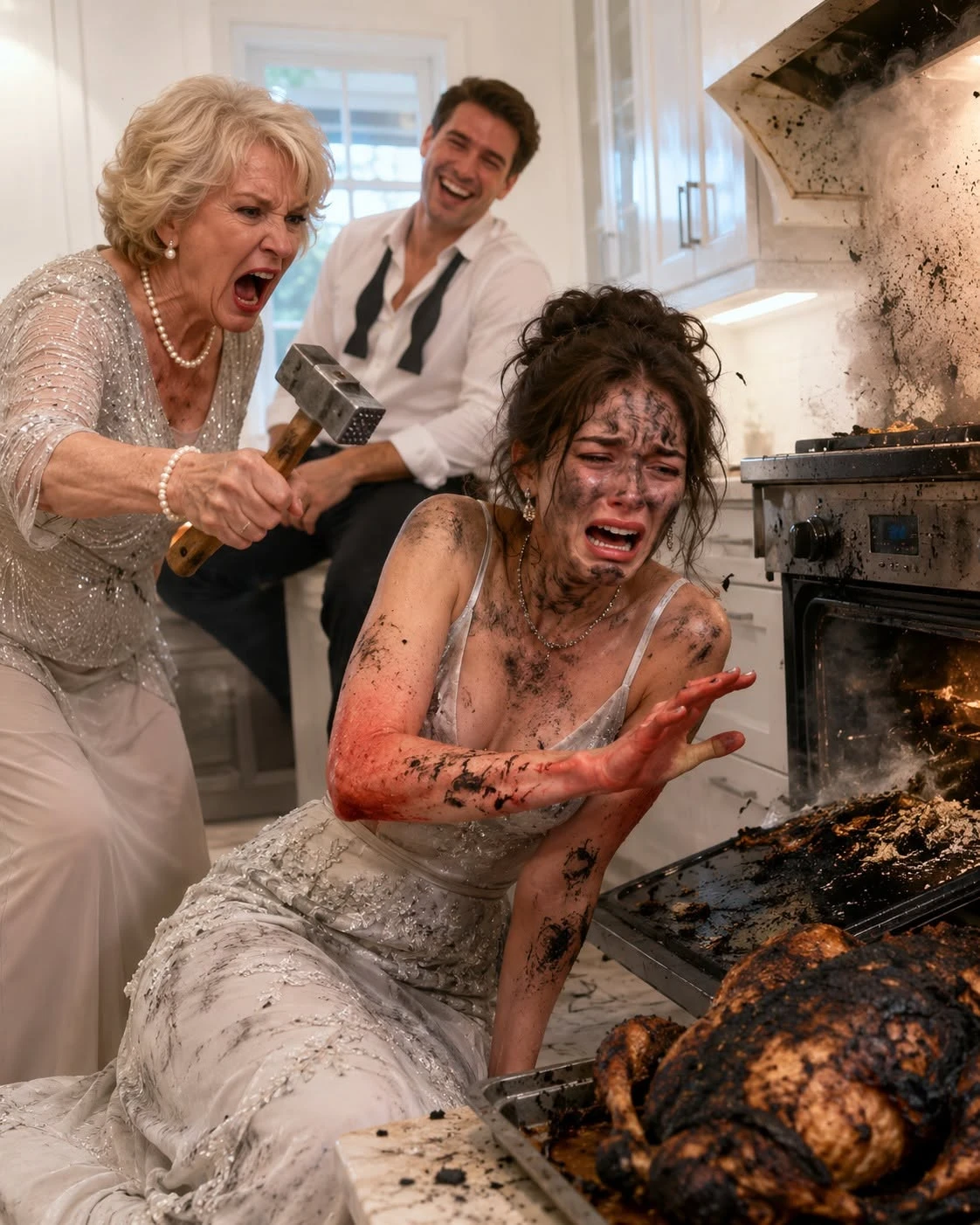
Table of Contents 5
By Monday morning, my name was on three legal filings, two bank freezes, and one temporary restraining order that Fiona had framed as “necessary for the safety of the victim.” I had slept in fragments, waking to nurses checking vitals and to the dull reminder that every movement sent sparks through my left arm. The surgeon had confirmed the repair would happen soon, but not soon enough to preserve the life I had built around precision.
Still, I was alive.
They had not taken that from me.
David and Barbara, meanwhile, were about to learn that cruelty is easy when you think the world will never ask you to pay.
I did not go home.
Fiona had arranged for me to stay in a quiet recovery apartment near the hospital, one used occasionally by physicians after procedures or long shifts. It smelled faintly of detergent and lemon polish. There were no family portraits, no passive-aggressive notes on the fridge, no footsteps pacing outside the bedroom door. It felt almost unreal.
At 8:04 a.m., the locksmith changed the locks.
At 8:12, the police arrived to serve the order.
At 8:19, my phone lit up with a call from David that I did not answer.
At 8:23, the first text came through:
What is this? You can’t do this to your own husband.
I handed the phone to Fiona.
She read it, then typed a single reply on my behalf: All further communication must go through counsel.
His response was immediate.
You think your lawyer can just throw me out? This is my home too.
Fiona passed the phone back. “Forward me everything.”
I did.
By 9:00, the security company had sent me footage from the exterior cameras I’d installed years earlier to monitor package theft. The clips were almost comical if they hadn’t been so bitter. David stood in the driveway with a duffel bag, staring at the front door while Barbara shouted at the officers. She had her arms crossed in the exact posture she used when she was preparing to win a conversation by sheer volume.
“Tell her to open this door!” Barbara demanded.
One officer, calm as stone, pointed to the order in his hand.
“Ma’am, you and Mr. Bennett are not permitted on the property.”
Barbara’s face twisted. “This is my son’s house.”
The officer didn’t blink. “It is not.”
David said something I couldn’t hear. Then he stepped forward and pointed toward the window, as if I might be standing there like a child sent to her room.
I wasn’t.
I was in a recovery chair with my arm elevated and my attorney sitting beside me while we watched them lose control.
My ex-husband—because that word had already started forming in my mind—looked smaller on camera than he had ever looked in person. Not weaker. Just revealed. The kind of man who had coasted for so long that the first consequence looked like betrayal to him.
Barbara, meanwhile, shifted tactics fast. She began crying.
The officer said he had seen this trick before.
By noon, David was calling from a different number. Then Barbara tried. Then his cousin sent me a message asking how I could “turn my back on family over one argument.”
One argument.
I almost laughed out loud.
Fiona answered for me with careful precision. “There was an assault resulting in documented fractures, followed by domestic financial abuse and unlawful occupation of the property. Your client may wish to consult the police report before characterizing this as a family disagreement.”
That apparently ended the conversation.
But not the battle.
That afternoon David showed up at Cedars-Sinai.
Security called my name before he ever reached the ward. My stomach dropped, but I didn’t panic. I had been waiting for him to try something public.
He stood in the lobby in a wrinkled coat, hair uncombed, face flushed with indignation. Without the familiar comfort of my kitchen or our house around him, he looked exactly like what he was: a man who had mistaken access for authority.
“You’re really doing this?” he asked when security escorted him to the visitor threshold.
I stayed seated in my chair. “You came to my workplace after assaulting me’s solution was to complain?”
His jaw tightened. “Mom is stressed. We all are. Things got out of hand.”
“Things?” I repeated. “My hand got broken, David.”
A flicker crossed his face—annoyance at being forced to acknowledge reality. Not remorse. Never remorse.
He lowered his voice as if we were in a negotiation. “You’re blowing this up because you’re angry. But you don’t actually want to destroy our lives.”
“Our lives,” I said slowly. “You mean your life. The one I’ve been paying for.”
That got his attention. His eyes shifted, just for a second, toward Fiona standing beside me with the legal folder tucked under her arm.
“I know what you’re doing,” he muttered. “You’ve been planning this.”
“Yes,” I said.
The honesty seemed to hit him harder than denial would have.
Before he could answer, one of the nurses approached, carrying a sealed envelope. She handed it to me with a professional, apologetic expression.
Inside was a copy of the emergency injunction, the final notice that barred David and Barbara from the property until further court review. It also included the clause Fiona had fought for: no contact except through attorneys.
David saw the paper in my hand and went pale with anger.
“You can’t do this to my mother,” he snapped.
I looked at him, really looked at him, and felt something clean and final settle into place.
“You mean the woman who smashed my surgical hand with a meat tenderizer while you watched?” I asked. “No, David. I think I can.”
His mouth opened, then shut. He had no good answer because there was none.
He tried one last tactic. “You’re going to ruin everything over pride.”
“Over survival,” I said.
Security stepped forward. David was escorted out. He shouted something about lawyers and property rights and how I would regret this when the hospital found out how unstable I was. But the sound had changed now. The words were weaker. Desperate. The kind of noise men make when their first authority fails and they don’t yet know how to become anything else.
By evening, the house was empty.
At least, empty of them.
Fiona called to tell me the locksmith had found Barbara’s attempt to jam a second deadbolt from the inside with a butter knife. She had apparently thought being stubborn could override ownership. It couldn’t. The front door now opened only for the people I authorized.
The camera feed from the kitchen was saved, timestamped, and backed up in three places.
“Do you want to see it?” Fiona asked.
I knew what she meant. The footage.
The moment she lifted the mallet.
The crack.
The fall.
“No,” I said.
“Good.”
I had seen enough.
That night, alone in the apartment, I sat on the edge of the bed and stared at my wrapped hand. The swelling had turned my knuckles into unfamiliar shapes beneath the bandage. I flexed my right fingers slowly, imagining the work I might still do one day. Not the same way. Not with the same speed. But maybe still with skill. Still with purpose.
My phone buzzed again. This time it was a message from a number I didn’t know.
You should be ashamed of yourself for tearing this family apart.
I forwarded it to Fiona and deleted it.
Then I opened the small notebook I had started after the first time David told me I was “too intense” when I asked him where the money had gone. On the first page I had written the date and a single sentence:
If this gets worse, leave with evidence.
I looked at that line for a long time.
Then I turned the page and wrote:
It got worse. I left with everything.
Other posts