Chapter 2 - The Night of the Splints
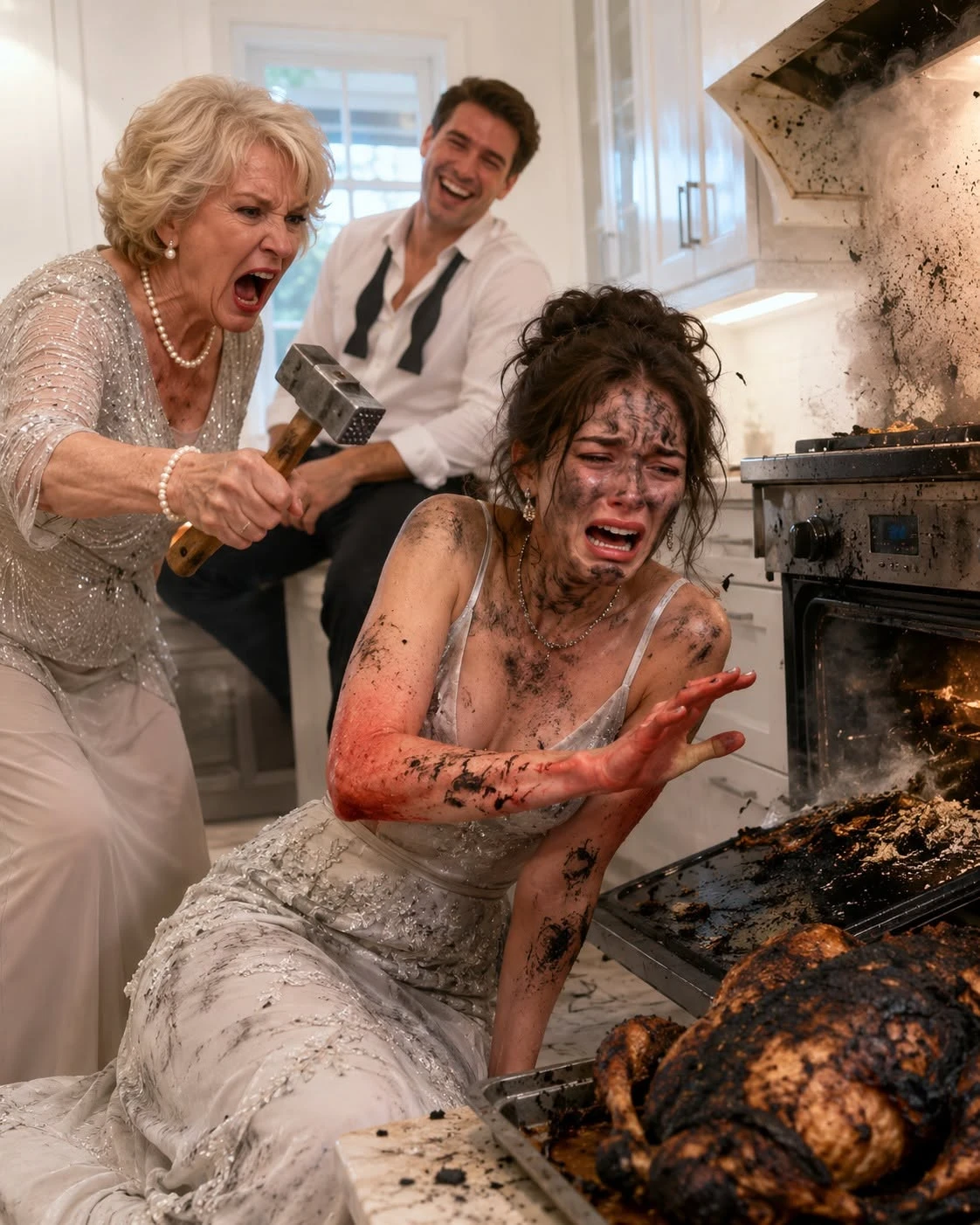
Table of Contents 5
Cedars-Sinai smelled like antiseptic, latex gloves, and disaster. I knew that smell well enough to have once found it comforting. That night, with my left hand elevated in a temporary splint and my entire arm throbbing in synchronized waves, it felt like a warning.
The X-rays told the story quickly. Two metacarpal fractures. A dislocated knuckle. Torn tissue around the index finger and thumb. The orthopedic surgeon on call, Dr. Elena Ruiz, stood at the screen with her mouth pressed into a thin line.
“You’re very lucky,” she said gently, though her tone made it clear she knew luck had little to do with it. “The bones can heal. But there may be nerve involvement. We won’t know the full picture until swelling comes down.”
I stared at the glowing outline of my hand on the monitor. It looked like something that had belonged to someone else.
“Can I operate again?” I asked.
No melodrama. No tears. Just the question I needed answered.
Dr. Ruiz hesitated. “Eventually, probably yes. But not soon. And you’ll need surgery to repair at least one tendon.”
That landed harder than I expected. Not because I didn’t know it could be true, but because hearing it from another doctor made it real in a way my own internal denial had not allowed.
After she left, I lay alone under the harsh fluorescent lights and listened to the beep of someone else’s monitor down the hall. My phone buzzed on the side table: a string of texts from David.
You embarrassed me.
You always have to make everything about you.
Mom is upset.
Come home and apologize.
Apologize.
My laugh came out broken and bitter. I set the phone face down and took a breath so sharp it hurt my ribs.
I was still trying to make sense of the violence when a knock sounded at the door. My attorney, Fiona Ashford, entered in a charcoal coat, her hair pulled into a severe knot, carrying a leather folder under one arm and a coffee in the other. She took one look at my splint and didn’t waste time asking how I felt.
“Tell me everything,” she said.
So I did.
I told her about the burned turkey. The changed temperature setting. Barbara’s voice. The mallet. David’s refusal to call for help. I told her the things I had not yet admitted to anyone: the way David had started tracking my car through the family account app, the arguments when I asked why money kept disappearing from my checking account, the way Barbara had begun referring to herself as the “woman of the house” after moving in “temporarily” two years earlier.
Fiona listened without interrupting. When I finished, she opened the folder.
“I already have the trust documents,” she said. “The house is yours, Maya. Not theirs. The title, deed, and insurance are all in your name through the trust. David has no ownership claim. I also have the financial records showing the accounts, investment distributions, and mortgage payments all came from your income.”
I stared at her. “You kept all that ready?”
Her expression softened, but only a little. “You asked me six months ago what to do if a spouse becomes controlling and starts isolating you. You said you were worried because he’d begun speaking for you at dinner parties and opening your mail.”
I had forgotten how carefully I had started watching my own life.
“I hoped I was being paranoid,” I said.
“No,” Fiona replied. “You were being smart.”
That was the first time that night I cried.
Not because I wanted pity. Because someone had finally looked at the evidence of my life and called it by its real name.
Fiona slid a notepad across the table. “I need a timeline. Every incident. Every witness. Any recording devices in the house?”
I thought of the little cameras I had installed discreetly after David’s drinking worsened, after he had begun “forgetting” entire conversations and then insisting I was the one misremembering. I had never told him they existed. He assumed my caution was just another sign I cared too much.
“Yes,” I said quietly.
Her eyebrows rose. “Good.”
I closed my eyes and let myself remember.
Barbara had mocked my hours, my clothes, my body. She had complained I made too much money and not enough “warmth.” David had stopped inviting me anywhere unless I paid. He had once hidden my car keys to keep me from going to a child’s follow-up appointment because Barbara wanted help with a garage sale. When I protested, he told me I was difficult, dramatic, impossible to please.
It had all felt small enough, individually, to survive.
Together, it was a cage.
Fiona made calls while I lay there. One to a private process server. One to a locksmith. One to the bank. One to the police non-emergency line. By the time she hung up, a restraining order packet had already been prepared.
“They will be removed from the property tomorrow,” she said. “You’re not going home tonight. The doctor wants observation anyway. But by Monday morning, they’ll get official notice. Until then, don’t answer their calls. Don’t respond to texts. Do not let them bait you into a conversation.”
I looked at my phone again. Six missed calls from David now. Three from an unknown number. One voicemail.
I hit play.
His voice oozed through the speaker, irritated and offended. “Maya, this is ridiculous. You’re making my mother feel attacked. You need to come home and talk like an adult. We both know you’re overworked and emotional right now.”
No mention of my hand. No apology. Not even curiosity.
Fiona reached over and pressed stop.
“They always sound surprised when the person they’ve hurt stops accommodating them,” she said.
Outside my room, the hospital hummed through the night. Somewhere in the building, a baby cried, then quieted. Somewhere else, a trauma team ran. Life kept moving with cruel indifference.
But in my room, for the first time in years, I was not alone with the consequences of someone else’s brutality.
A nurse came in to adjust my splint and offer medication. As she worked, she glanced at my chart, then at me.
“You’re Dr. Lin?”
I nodded.
She hesitated, then said, “My son had neurosurgery here three years ago. You saved him.”
The words hit me so hard I had to look away.
She smiled sadly. “I’m sorry someone tried to take your hands.”
After she left, Fiona leaned back in her chair. “You know what happens next,” she said.
“Explain it to me anyway.”
“Tomorrow we freeze the joint accounts. Monday morning, the locksmith changes the locks. The police serve the order. If they’re still there, they’re trespassing.”
“What if they claim I hit them first?”
Fiona’s smile was thin and humorless. “Then we show the video.”
I had almost forgotten.
The kitchen camera. The hallway audio. The smart thermostat logs showing the sudden spike in temperature. The motion alert when Barbara grabbed the mallet. The sound of the impact.
My hands were not the only thing they had damaged.
They had also given me evidence.
I lay back against the pillow and stared at the ceiling until my eyes burned.
For the first time since the ambulance, the pain in my hand receded enough for something else to surface beneath it.
Not fear.
Not yet anger.
Something steadier.
Preparation.
Other posts