Chapter 6 - A Company Worth Saving
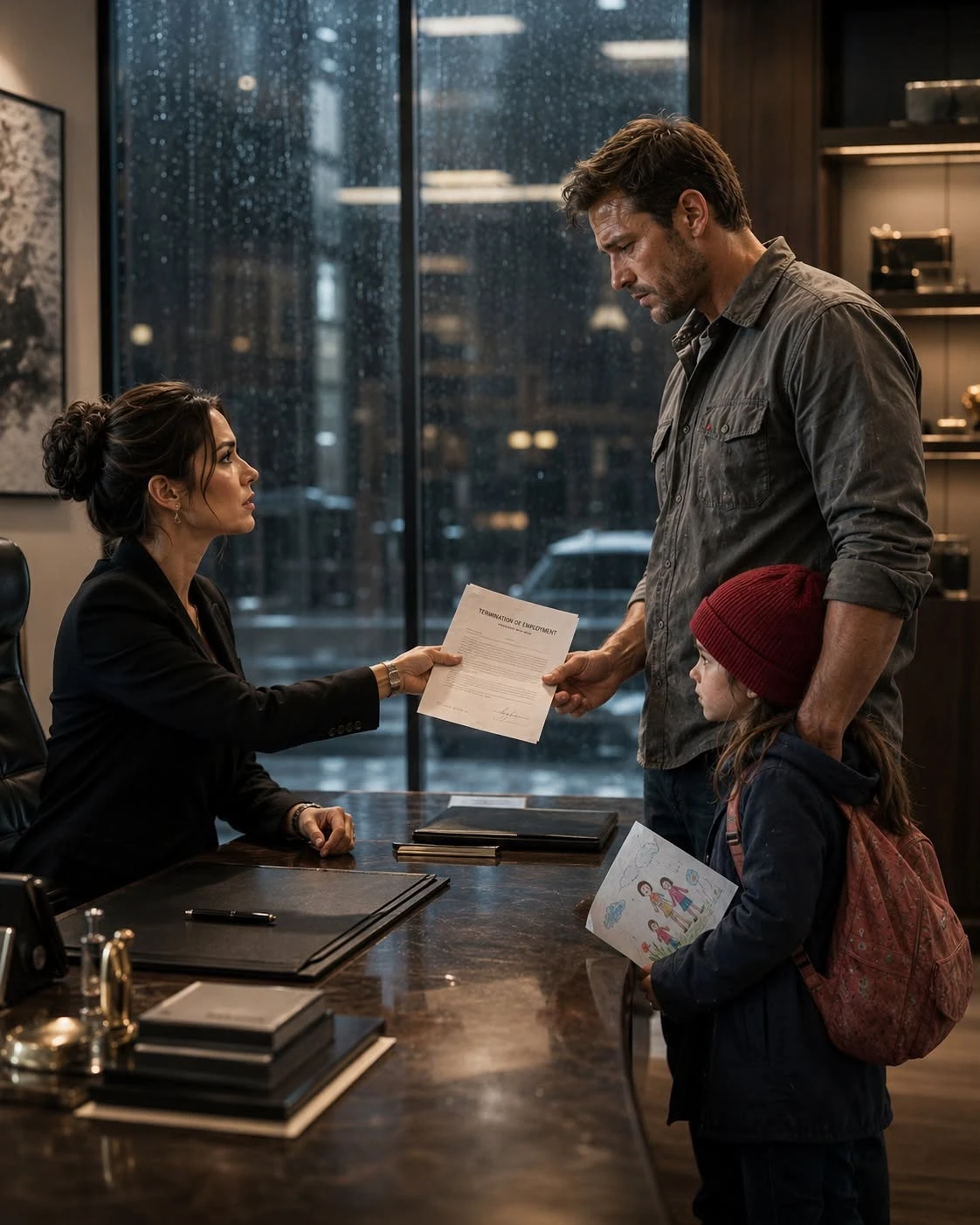
Table of Contents 6
By sunrise, the city looked washed clean by the storm that had started this whole disaster, but nothing in me felt clean yet. I stood in the operations room with a paper cup of bitter coffee cooling in my hand while Declan leaned over the legacy terminal, his sleeves rolled to his forearms, his face drawn tight with exhaustion and concentration.
He had not asked for forgiveness. He had not asked for gratitude, either.
He had simply said, “Let me fix it.”
That was the difference between the man I had fired and the man standing beside me now. Not arrogance. Not excuses. Just a steady refusal to let the company drown if he could still reach the shore.
The screen flickered with lines of code that meant nothing to me and everything to him. Around us, two of our best IT analysts waited with their notebooks open, while the logistics manager kept checking the clock like he could force time to behave through fear alone. If we missed the transfer window, the penalties would still begin. Eighty thousand dollars a day. A number that had haunted me for hours now felt like a blade against my throat.
Declan pointed to one line and said, “There. They routed the handoff through a deprecated bridge instead of the live channel. That’s why the lockout happened.”
I swallowed. “Can you reverse it?”
“Yes,” he said. Then, after a beat, “If the backup package is intact.”
It was. Barely.
The audit trail Vaughn had tried to bury was pulled from the terminal cache in the last possible minute, and when Declan threaded the restore sequence through the system, the room went so silent I could hear my own heartbeat. The screen refreshed. One status bar turned green. Then another. The shipment, frozen between Wilmington and Charleston like a held breath, started moving again.
No one cheered at first. We all waited for the catch.
When the final confirmation flashed across the monitor, the logistics manager actually sat down hard in his chair.
“It’s through,” he whispered.
I felt something inside me break open—not the sharp, panicked kind of breaking that comes from loss, but the kind that makes room for air.
“It’s through,” I repeated, and my voice shook on the words.
Declan closed his eyes for one brief second, just long enough to feel the relief, then opened them again and checked the system log a final time as if he still didn’t trust good news to stay.
By midmorning, the board reconvened.
Vaughn did not walk in with the easy smile he’d worn before. He looked smaller somehow, stripped of the confidence he had built from lies and leverage. The evidence was laid out on the conference table: the altered step seven record, the senior access override, the shell routing pattern, the buried audit trail, Declan’s backups, and the timeline that tied it all together with brutal clarity.
I stood at the head of the table and did something I had never done in my life.
I admitted I had been wrong.
“I fired Declan without hearing him,” I said, my hands flat against the polished wood so they would not shake. “I chose speed over truth and image over judgment. That failure is mine.”
Declan looked at me then, not with triumph, but with something gentler and far more dangerous to the version of myself I used to be. He was giving me a chance to become better than I had been.
The chairwoman asked if I intended to reinstate him.
“I already have,” I said. “And not as a favor. As a correction.”
Vaughn tried to speak, tried to cast himself as the unfortunate executive caught in a chaotic situation, but the board had finally lost patience with the mask. By the end of the meeting, his authority had been stripped, his access revoked, and an outside investigator had been authorized to review every contract he had touched. No one in that room said the word guilty, but they didn’t need to. The truth sat heavy and undeniable between us.
Later, in the same afternoon, I announced the new policy changes to the entire leadership team: emergency leave for caregiving crises, no retaliation for approved family absences, and a direct support line for employees who were one bad morning away from losing everything. The room was so quiet after I finished that I feared I had gone too far.
Then one by one, people nodded.
One woman in shipping actually cried.
That was when I knew the company was changing.
Not because I wanted it to.
Because it had to.
I found Declan near the lobby, where Maya was sitting cross-legged on a chair in her patched coat and red knit hat, coloring a picture of a freight truck with a crooked sun above it. Ava stood beside her, one hand resting lightly on the back of the chair, her eyes bright with tears she was finally not trying to hide.
“I wanted to thank you in person,” Ava said to Declan, her voice trembling. “For back then. For saving me.”
Declan gave a small, humble nod. “I’m glad you’re here.”
Maya looked up at me and grinned as if I were part of the best day she had ever had.
That night, there was no grand banquet, no polished celebration for the cameras. There was only my apartment, too much food ordered in panic, my sister at the table, Declan finally sitting without tension in his shoulders, and Maya using a bread roll to build a tower next to her plate.
It was the first dinner I had ever had that felt real.
Ava laughed when Maya declared the broccoli “officially illegal.” Declan actually smiled. Not the polite, tired expression I had seen before, but a full smile that reached his eyes and made him look younger and lighter than grief had allowed.
I looked around that table and understood, finally, what my father had missed when he taught me that strength meant hardness.
Strength was not making no exceptions.
Strength was having the courage to make the right one.
I turned to Declan and said, “I’m sorry.”
He met my eyes, quiet and steady as ever. “I know,” he said. “And I believe you.”
That was the truest gift he could have given me.
Outside, the rain had stopped. Inside, for the first time in a long time, nothing was broken that couldn’t be repaired.
Other posts