Chapter 2 - The Voice in the Diner
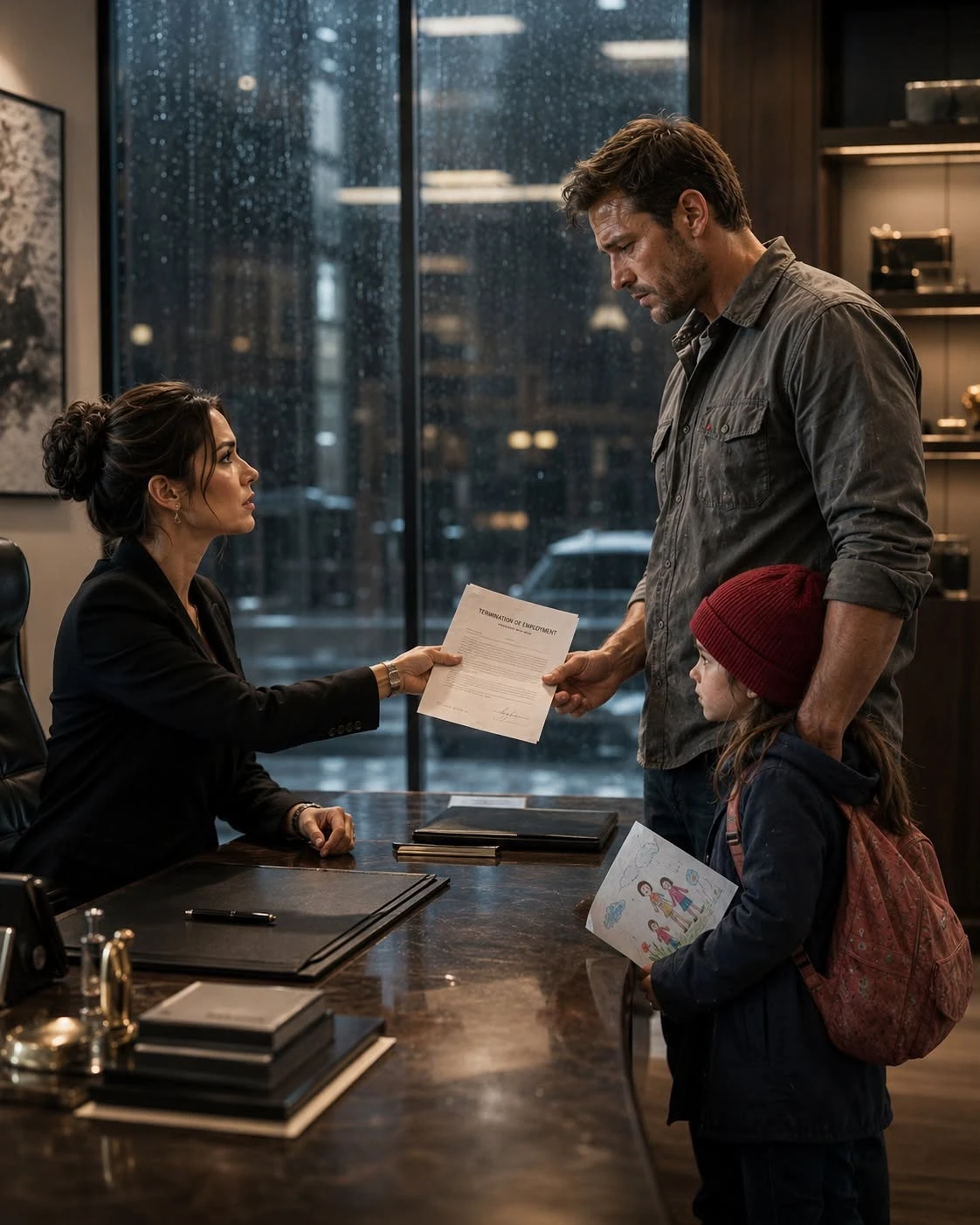
Table of Contents 6
Miller’s Diner was packed so tightly with bodies and steam that the windows had fogged into a blur of pale light. Rain tapped the glass in frantic little fingers, and the smell of coffee, fried onions, and wet wool clung to everything. I found Ava in the back booth with her hands wrapped around a chipped mug she hadn’t touched.
She looked up when I slid into the seat across from her, and I barely recognized my own sister.
Her face was blotched from crying. Her mascara had long since surrendered. She kept blinking as if she could force the tears back into place, but every few seconds her chin trembled all over again.
“Say it again,” I whispered.
Ava shook her head. “I already sound insane.”
“You called me in tears because you heard a voice. I think we’ve crossed the line where sane matters.”
That got the smallest, strangest laugh out of her, and then she covered her mouth with her hand as if the sound hurt.
“It was him,” she said. “Declan Whitford. I’d know that voice anywhere.”
I stared at her.
She looked down at the table, at the ring of coffee water left by someone else’s cup, and her fingers tightened around her mug.
“Years ago,” she said slowly, “I was on Mercer Avenue when that delivery van ran the red light.”
My pulse tightened. Mercer Avenue was still a scar in my memory, even now. “You never told me you were in an accident.”
“You were away at school. Mom had enough to worry about.” She swallowed hard. “I was eighteen and stupid and I’d borrowed Dad’s old car. The van hit me so hard it pushed me into the curb. The passenger door jammed. Smoke started coming from under the hood. I couldn’t get out.”
I felt my stomach go cold.
“People were yelling,” Ava said. “Somebody called 911. But everything blurred. I remember thinking I was going to die there. Then this man came running up through the traffic. He didn’t wait for the firefighters. He got the door open with his shoulder and dragged me out before the engine caught.”
My throat had gone dry.
“A man,” I repeated.
“A man with rain on his face and blood on his knuckles because he split his hand on the metal.” She wiped at her eyes. “He stayed with me on the sidewalk. He kept talking to me so I wouldn’t black out. He gave me his jacket because I was shaking. Then he called my name from my driver’s license and told the paramedics who I was.”
I heard the diner around us—the clatter of dishes, the hiss of the grill—but it all felt distant, as if I had stepped outside my own life.
“You knew his name?” I asked.
“No. I only remembered his voice.” She swallowed. “And when I heard it tonight, it was like every second of that day came back at once.”
A waitress set down two coffees and left us alone again. Ava wiped her cheeks with the heel of her hand.
“He was there until they took me away,” she said. “He didn’t leave. He didn’t ask for anything. I never got to thank him.”
I sat back, stunned by the shape of the truth. Declan’s silence at my desk. His steady voice. The way he had looked at his daughter first, not at me, not at the papers, as if she were the center of every decision he made. I had called that weakness because I’d mistaken restraint for passivity.
“Ava,” I said carefully, “why didn’t you tell me this sooner?”
She gave me a watery, helpless look. “Because I didn’t know who he was. I tried to find him for years. I had only the voice and the memory of a gray jacket. Then tonight, at the diner, he asked the waitress where the restroom was.” She laughed through a fresh wave of tears. “It was so ordinary. So normal. And then he spoke again, and I knew.”
Something ugly and hot twisted in my chest. I had fired that man before I knew his name mattered.
I left the diner with Ava still trembling behind me and drove across town with both hands locked around the steering wheel so tightly my fingers ached. Declan’s address came from payroll records I had no right to be studying like a criminal file, but by then I was past embarrassment and into something worse: shame with momentum.
His apartment was in a low brick building behind a laundromat, the kind of place that always smelled faintly of detergent and old rain. The porch light flickered. One window was covered by a towel instead of curtains.
When he opened the door, I saw the truth before he said a word.
He was still in the same wrinkled work shirt, but now I could see the dark exhaustion under his eyes, the grit of a man running on more responsibility than sleep. Behind him, on a sagging couch, Maya was curled under a quilt with one cheek flushed and her red knit hat set carefully beside her pillow. A thermometer and a spoon rested on the coffee table beside a half-empty bottle of children’s medicine.
Declan’s expression sharpened when he saw me. “This isn’t a good time.”
“I know.” My voice came out rougher than I intended. “I needed to understand.”
His gaze flicked to the hallway, to Maya, then back to me. He did not step aside. He didn’t invite me in. He was too polite for that, even now, standing in a doorway with his entire life exposed.
“My daughter’s been fighting a fever for two days,” he said quietly. “That’s why I was late.”
There was no plea in his voice. No attempt to make it sound noble. Just fact.
I looked past him again at the child on the couch, at the stack of pharmacy receipts pinned under a magnet by the refrigerator, at the worn shoes by the door with one sole splitting at the toe. My certainty cracked a little more.
“I should have asked,” I said.
“Yes,” he replied.
The answer wasn’t cruel. That somehow made it worse.
I took a breath. “Ava told me you saved her life.”
At last, something shifted in his face. Not pride. Not guilt. A raw, private stillness, like a door shutting gently on a room no one else was meant to enter.
“She remembered that?” he asked.
“She never forgot.”
Declan looked down the hall again, then lowered his voice. “I didn’t help her for recognition.”
“I know.”
“No,” he said, and now there was steel under the quiet. “I don’t think you do. I’ve spent the last six months being judged for arriving ten minutes too late because sometimes life doesn’t care about your schedule. If you’re asking whether my daughter came before your company, yes. Every time. If you’re asking whether that makes me careless, it doesn’t.”
His words hit harder because they were so controlled.
I should have answered. I should have apologized. But he wasn’t finished.
“The transfer on Wilmington to Charleston,” he said, and now his eyes were on mine, level and unblinking, “didn’t freeze because of me being late.”
My pulse tripped.
“What do you mean?”
He stepped back from the door just enough that I could see the glow from his laptop on the kitchen table. A spreadsheet was open. Lines of code and timestamps crowded the screen, highlighted in a pattern I didn’t understand but instantly distrusted.
“I mean,” he said, “someone with senior access touched the handoff before it locked. That doesn’t happen by accident.”
The rain sounded suddenly louder against the windows.
And in that narrow, dim doorway, while his feverish daughter slept behind him and the company I had tried so hard to protect was beginning to unravel in my hands, I understood one terrifying thing with absolute clarity:
This was not a simple attendance problem.
This was a setup.
Other posts