Chapter 7 - The Little Girl Who Was Supposed to Stay Three Months
Table of Contents 9
Peter and I had discussed children carefully.
Pregnancy was medically unsafe and likely impossible after years of treatment. Adoption felt complicated because of my health history, and neither of us wanted to build our marriage around a child-shaped absence.
We decided family could be complete with two people.
Then Sophie arrived.
She was three years old and carried everything she owned inside a pink backpack.
Her mother, a distant cousin of mine named Melissa, entered long-term rehabilitation after years of addiction. Social services needed temporary kinship placement, and my parents were too old to take on a toddler full-time.
Peter and I agreed to three months.
Three months became six.
Then nine.
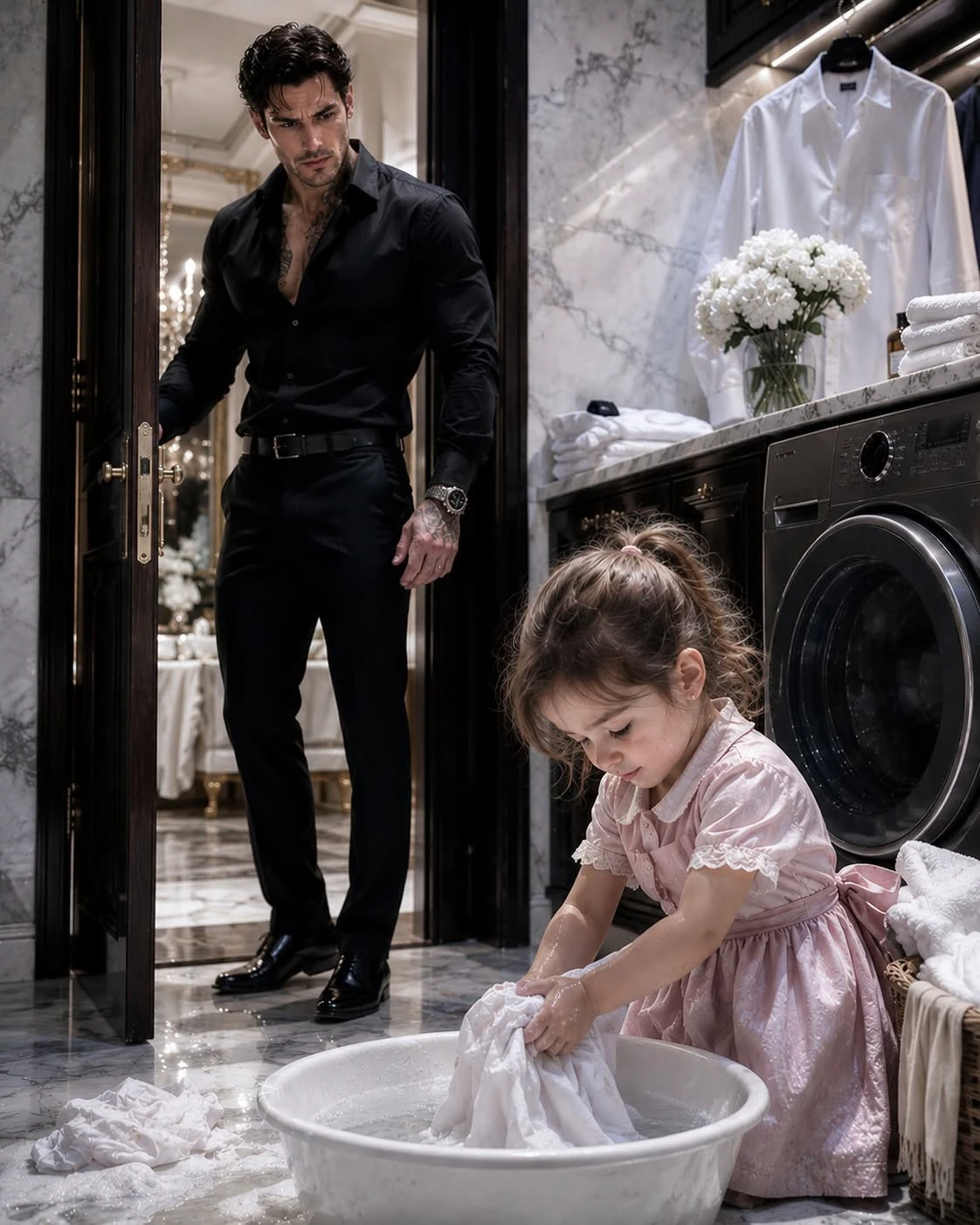
Sophie arrived quiet enough to frighten me. She asked permission before touching toys. She hid crackers inside her backpack. The first time Peter raised his voice because he dropped a hammer in the garage, she froze beneath the kitchen table.
We learned quickly.
Trauma did not disappear because a house became safe.
Peter built her a small bed shaped like a cottage.
I told him it was excessive.
He added lights.
Within weeks, Sophie followed him everywhere.
She called me Emmy.
Then one morning, while I untangled her hair before preschool, she accidentally called me Mom.
Both of us froze.
Sophie immediately started crying because she thought she had done something wrong.
I held her until she calmed down.
I did not tell her to call me Mom.
I told her she could call me whatever felt safe.
The rehabilitation plan originally focused on reunification. We supported Melissa throughout treatment, attended court hearings, and never promised Sophie she would stay permanently because that decision did not belong to us.
Melissa improved.
Then relapsed.
Improved again.
Then disappeared for several weeks.
The uncertainty became painful for everyone.
Eventually, after nearly two years, Melissa made the hardest decision I had ever witnessed another mother make.
She voluntarily relinquished parental rights.
Not because she stopped loving Sophie.
Because she believed Sophie needed stability she could not yet provide.
We promised appropriate contact if professionals believed it remained healthy.
The adoption process began.
My cancer history created additional reviews. Doctors submitted letters explaining my condition, current response, and medical stability. Peter’s finances were examined. Our marriage was evaluated.
For once, all the legal scrutiny felt comforting.
Someone was making sure Sophie’s future mattered more than our desire.
The adoption became final the following year.
Peter cried through most of the hearing.
I cried more.
Dad claimed allergies explained his face.
Sophie did not understand why everyone was emotional.
Peter told her families sometimes cried when they became official.
She considered that ridiculous.
“We were already family.”
She was right.
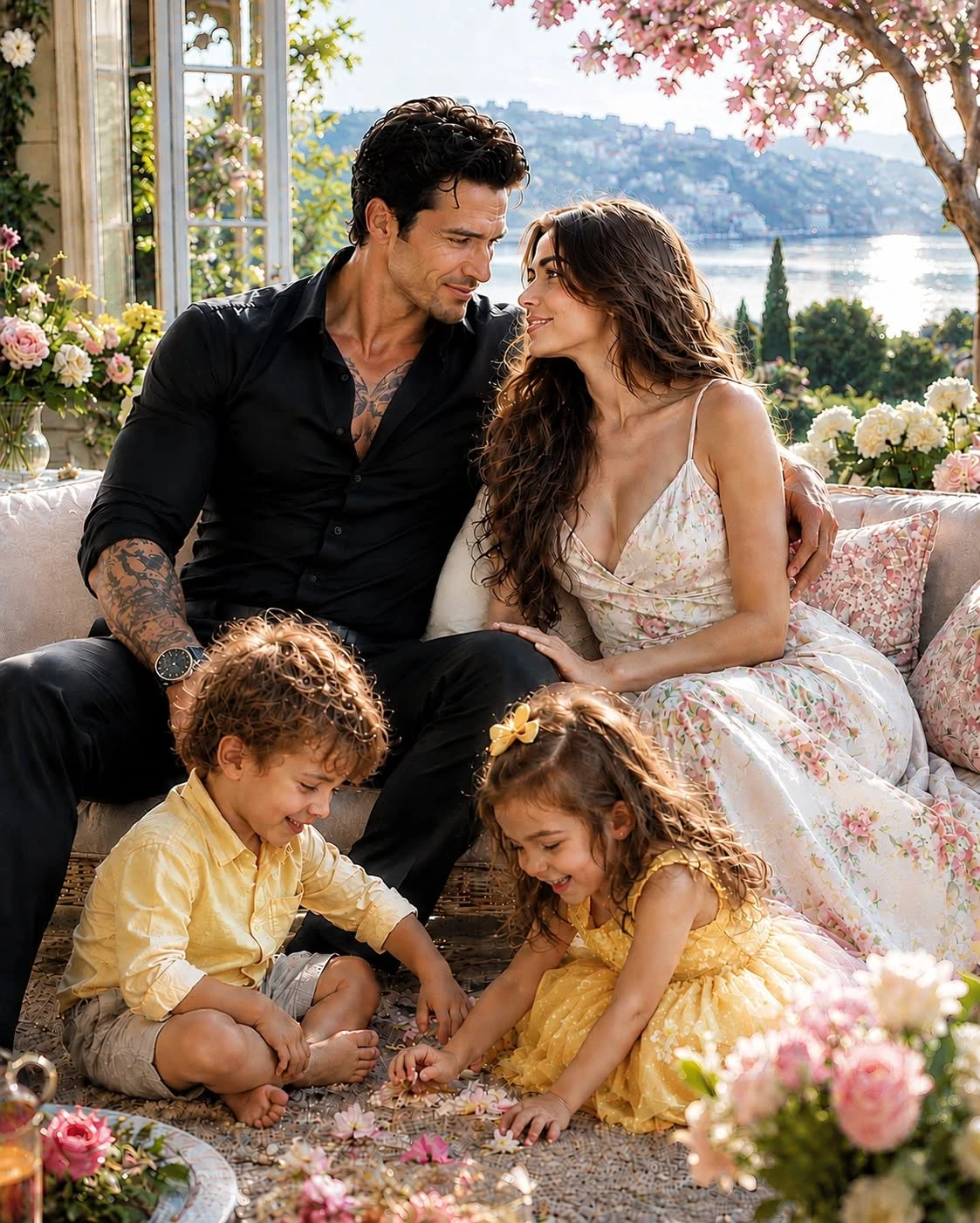
After court, we took a photograph beside the magnolia tree.
It was taller than Sophie.
I stared at the image later that night.
Plant something you may never see grow.
I had seen it grow.
More importantly, I had seen a family grow that I never thought I would live long enough to need.
Then my scans changed again.
A small new lesion appeared near my liver.
The fear returned immediately.
Cancer had been quiet long enough that I had begun pretending I no longer understood terror.
Now Sophie existed.
Before, dying meant leaving my parents and Peter.
This time, I imagined leaving a child.
The weight was different.
I cried in the hospital bathroom before telling Peter.
Then Dr. Patel introduced another treatment option developed only within the previous year.
Medicine had moved while I was busy living.
The new therapy worked.
The lesion shrank.
Once again, the future reopened.
That night, I stood beside Sophie’s bed after she fell asleep and understood something nobody could have explained when I was first diagnosed.
Hope did not become easier with practice.
The more you built, the more there was to lose.
The answer was not to build less.
It was to keep building anyway.
Other posts