Chapter 4 - Peter’s Ex-Wife Told Me the Truth He Hadn’t
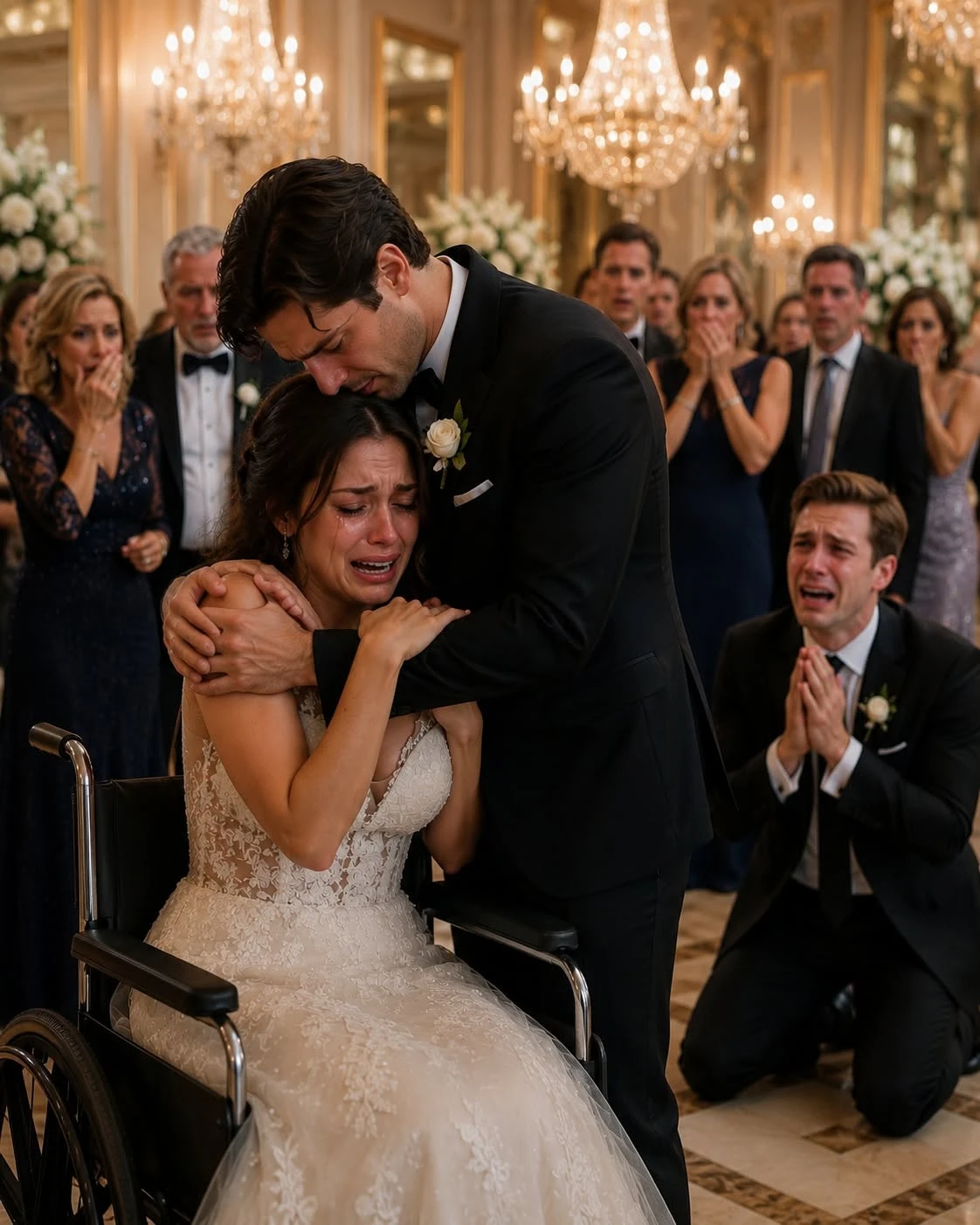
Table of Contents 9
Claire did not sound bitter when we spoke.
That made the conversation more unsettling.
She explained that her marriage to Peter ended without infidelity, abuse, or financial betrayal. It ended because of Anna.
Not because Peter loved his sister too much.
Because after Anna died, grief consumed every part of him.
During Anna’s illness, Peter became the person who solved everything. He drove to appointments, managed prescriptions, cooked meals, negotiated bills, and slept beside hospital chairs. Being needed gave him purpose. After she died, there was suddenly nobody left to rescue.
Peter stopped sleeping properly.
He stopped talking.
He withdrew from Claire while insisting nothing was wrong.
She stayed almost two years before realizing her husband had become emotionally unreachable.
When she finally left, Peter did not fight.
He simply helped carry her boxes to the car.
I asked why Claire was telling me this days before the wedding.
“Because Peter has a habit of becoming useful when he doesn’t know what to do with his own pain.”
She worried marrying a terminally ill stranger was not romance or generosity.
It might be another rescue mission.
That possibility stayed with me all night.
The following morning, I confronted Peter in the garden behind my parents’ house.
He did not deny anything.
Claire’s description was accurate.
After Anna died, he had confused being needed with having value. Acting helped because stepping into other lives was easier than figuring out what belonged in his own.
I asked whether he answered my email because I reminded him of Anna.
Peter considered the question seriously.
“At first? Maybe partly.”
The honesty hurt.
Then he continued.
Anna was probably the reason he could not ignore my message.
She was not the reason he kept answering after that.
He listed things he knew about me that had nothing to do with cancer. I hated hospital gelatin. I secretly enjoyed romantic comedies I called stupid. I argued with parking meters as if they were malicious. I ate the frosting before the cake. I became sarcastic whenever I was frightened.
“You’re not my sister,” he said. “And you’re not a dying woman I need to rescue. You’re Emily.”
I asked whether he wanted the wedding canceled.
Peter said the decision belonged to me.
No guilt.
No reminder about guests or deposits.
No suggestion that backing out would hurt him.
That freedom became the reason I stayed.
The wedding remained on.
Then, the morning of the ceremony, I woke to my mother crying beside my bed.
Someone had sent an anonymous email to almost every guest.
Attached were screenshots of my original message to Peter from the acting website.
The terminal diagnosis.
Daniel abandoning me.
My offer to pay a stranger to pretend to marry me.
The email described the wedding as a humiliating performance and suggested Peter was exploiting a dying woman for publicity.
My private desperation had become entertainment.
For half an hour, I sat in my robe convinced the day was finished.
Then we discovered who had sent it.
Daniel.
He had gained access to the screenshots because months earlier I left my email logged into the tablet we once shared. He had apparently copied the message after hearing rumors about Peter.
My father wanted security to ban him from the property.
My mother wanted to call every guest personally.
I wanted to disappear.
Peter came to the bridal suite but stayed outside the closed door because, absurdly, he still respected the tradition of not seeing me before the ceremony.
He did not tell me to ignore everyone.
He asked one question.
“Do you still want the wedding?”
I looked at the dress.
Thousands of tiny stitches.
The white roses already arriving downstairs.
My mother’s face.
My father waiting outside.
The day I had spent almost a year building before cancer, Daniel, or Peter turned it into something else.
“Yes.”
Peter answered from the hallway.
“Then everyone else can decide whether they want to watch.”
Of the 120 invited guests, 116 came.
Some undoubtedly came because curiosity was stronger than judgment.
I stopped caring.
At four in the afternoon, the estate doors opened.
My father took my arm.
The room stood.
Peter waited beneath the white roses.
He was already crying.
I had hired an actor because I wanted someone who could convincingly pretend.
Standing at the end of the aisle, I realized the one thing Peter had never been particularly good at was hiding what he actually felt.
Other posts