Chapter 5 - The Wedding Daniel Tried to Destroy
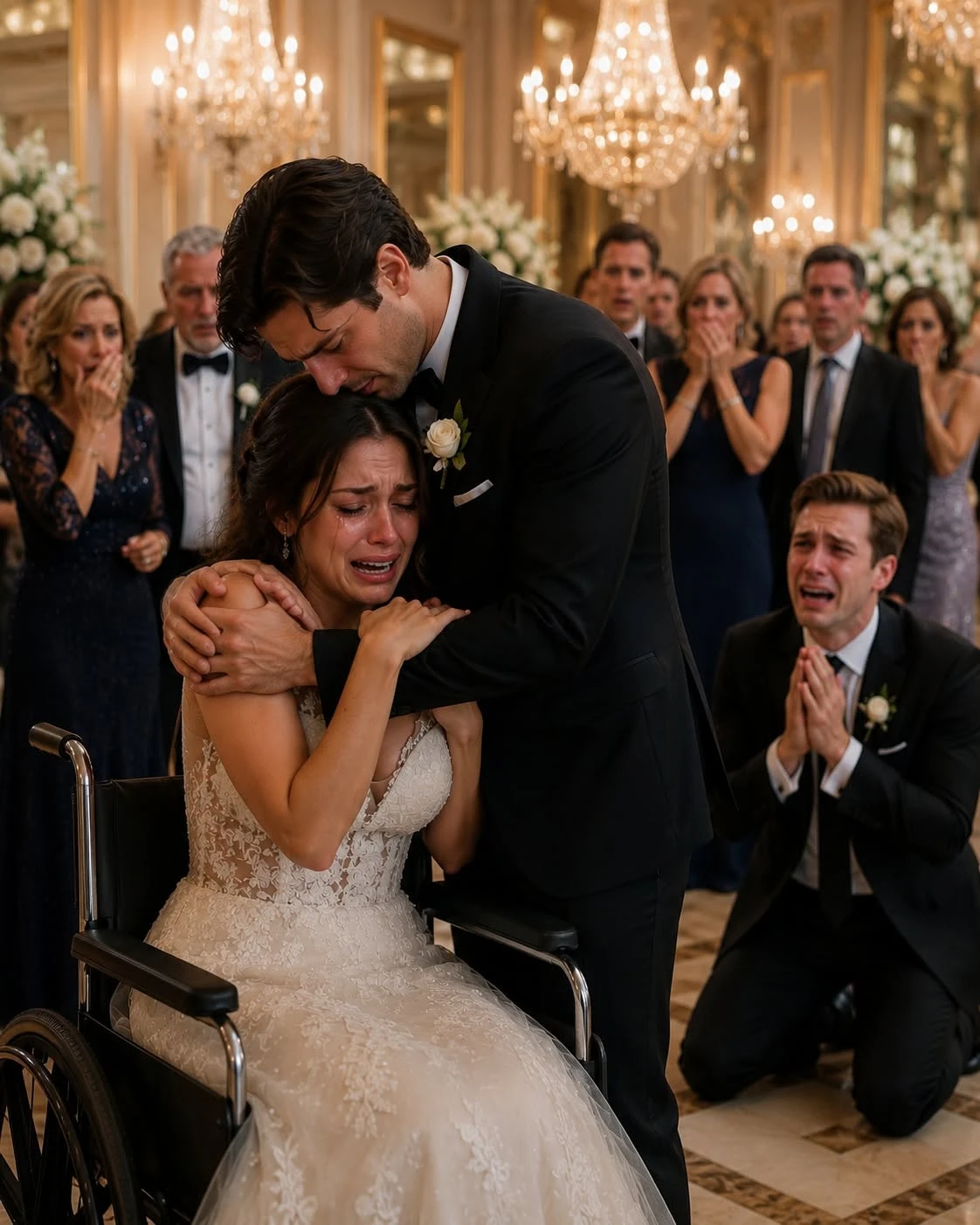
Table of Contents 9
We did not begin the ceremony by defending ourselves.
That was my decision.
Everyone already knew enough to gossip. I refused to turn my wedding into a courtroom.
The estate looked exactly as I had imagined during the year Daniel and I planned it. White roses covered the archway, candles glowed along the aisle, and late-afternoon sunlight entered through tall windows in soft gold strips. The only major difference was the man waiting beside the officiant.
When Dad reached Peter, he did something neither of us expected.
He hugged him.
Later, Peter told me what Dad whispered.
“Don’t make her regret trusting one more man.”
Peter answered, “I won’t.”
Our vows were short.
I promised not to waste whatever time belonged to us.
Peter looked directly at me and said Anna had once taught him that the tragedy of loving someone was not losing them. Loss came eventually in every relationship, whether after six months or sixty years. The real tragedy was having a chance to love someone and becoming too frightened to accept it.
Then he made the promise I remembered long after every flower from that day had died.
“I will never measure the value of this marriage by its length.”
We were pronounced husband and wife.
Applause filled the room.
For the first time since my diagnosis, celebration did not sound like pity.
Daniel arrived during the reception.
Security stopped him at the gate, but he demanded to speak with Dad and insisted the anonymous email had been necessary because guests deserved to know the marriage was fraudulent.
My father refused to let him in.
I asked to see him anyway.
Peter did not like the idea but respected it.
We met outside the gate with security standing close enough to intervene.
Daniel looked at my wedding dress, then at the ring on my finger.
He asked whether I had truly gone through with it after everyone learned how the arrangement began.
I told him the truth had changed nothing.
Peter had never pretended the email did not exist.
Daniel had exposed my humiliation because he expected shame to control me.
It didn’t anymore.
He accused Peter of using me.
I reminded him Peter had signed away every financial claim he could legally waive.
Then Daniel said something revealing.
“He doesn’t know what he’s signing up for.”
Neither had Daniel.
That was the difference.
Peter knew the diagnosis and stayed.
Daniel knew it and left.
I told him I finally understood why his abandonment hurt so badly. It was not simply that he left while I was sick. He made my illness into a verdict about my value. He decided a shortened future meant the relationship had become a bad investment.
Daniel started crying.
For weeks, I had imagined that seeing regret on his face would heal me.
It didn’t.
I felt sad.
Nothing more.
Security escorted him away.
I returned to the reception.
I danced with Dad.
Mom drank more champagne than usual and stole Peter for a dance.
I ate cake even though treatment medications had already begun affecting my appetite.
Near eleven, Peter and I shared the final song.
I rested my head against his chest because my body was exhausted.
“You know you don’t have to keep doing this after tonight,” I whispered.
“I know.”
“Then why are you?”
He looked down at me.
“Because I want tomorrow.”
Three days later, treatment started.
That was when the wedding stopped being romantic.
Marriage became medication schedules, blood tests, sleepless nights, fevers, nausea, and hospital chairs.
Within weeks, my hair began falling out.
Food tasted metallic.
Some mornings, walking from bed to the bathroom required planning.
One night after vomiting for hours, I screamed at Peter to leave.
I told him our arrangement had already served its purpose. He had given me the wedding. There was no reason to stay for the ugly part.
Peter sat outside the bathroom door.
He did not argue.
When I finally opened it, he handed me a glass of water.
I asked why he was still there.
“You told me to leave while throwing up. I’m waiting for a more reliable committee.”
I laughed despite myself.
Then I cried.
Peter did not tell me I was beautiful when I obviously looked terrible.
He told me the truth instead.
My green pajamas were hideous.
My bald patches had “aggressively rebellious geometry.”
Hospital oatmeal should be investigated as a human-rights violation.
He made illness less lonely without pretending it was noble.
Eight weeks into treatment, Dr. Patel entered the room carrying my scans.
The largest tumor had shrunk by almost forty percent.
Several smaller lesions had decreased significantly.
The drug was working.
Not curing.
Working.
I cried.
Peter did not celebrate immediately.
He asked what the results actually meant.
Dr. Patel explained that we had gained something precious but uncertain.
Time.
Possibly a meaningful amount.
In the parking garage afterward, Peter leaned against the car and started crying so hard he could barely speak.
That was when I realized he had been carrying fear quietly to avoid making me carry his too.
I hugged him.
Then I said the words our marriage had somehow avoided until then.
“I love you.”
Peter became completely still.
“That’s inconvenient.”
I laughed through tears.
“Why?”
“Because I love you too.”
For the first time, survival created a problem we had never planned for.
What happened if I did not die?
Other posts