Chapter 5 - GRACE FINALLY WENT BACK TO SCHOOL
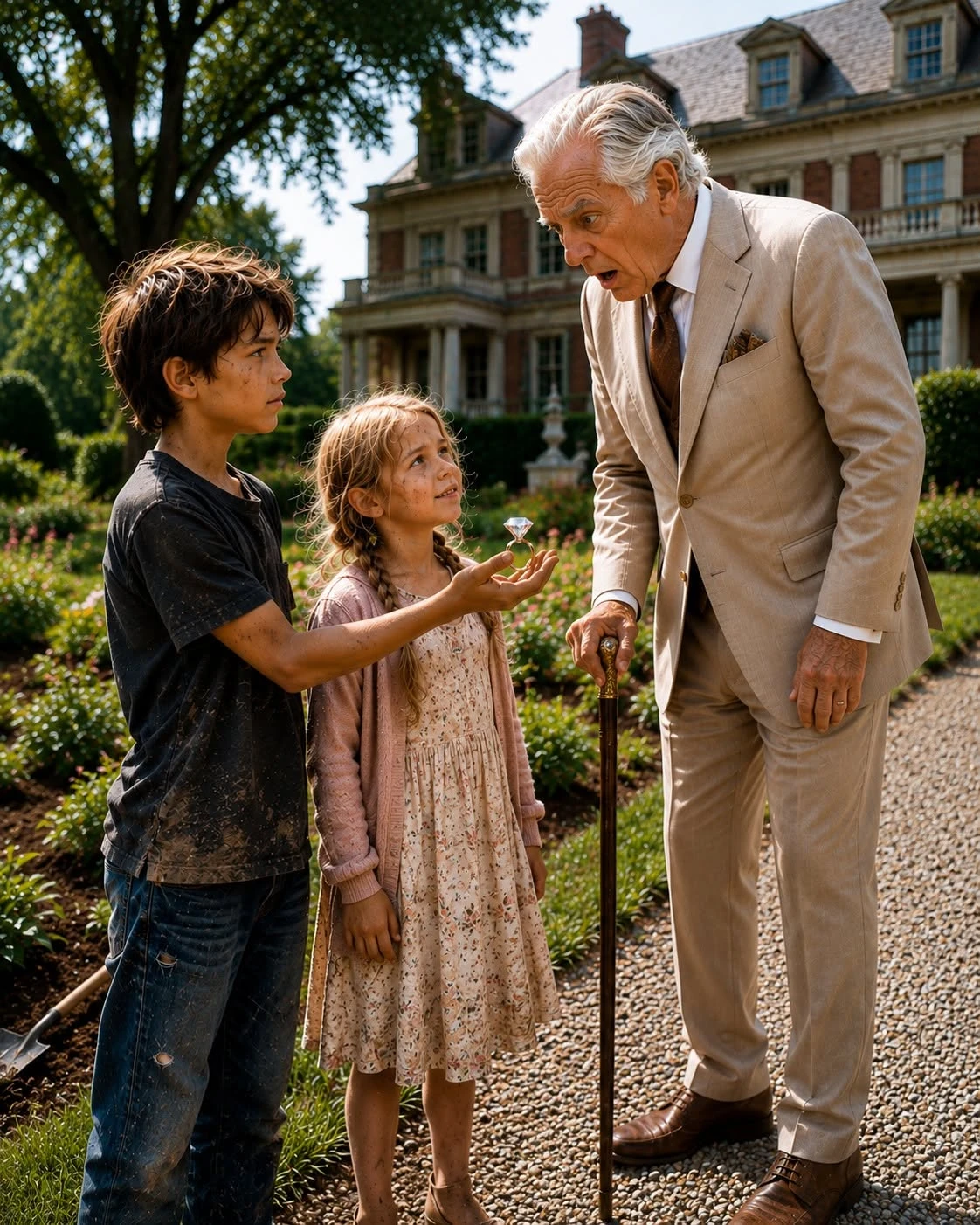
Table of Contents 6
Grace recovered slowly.
For the first month, walking two blocks exhausted her.
For the second, she became angry at everyone who tried to help.
I liked that better.
Angry Grace sounded like herself.
Arthur arranged specialist care but never appeared at appointments unless she invited him. Dr. Morris remained involved and eventually became someone Grace trusted enough to admit what she really wanted.
Nursing school.
The dream she had buried when our parents died.
One afternoon, Dr. Morris brought application forms.
Grace stared at them.
“I can’t.”
“Why?”
“I have two kids to raise.”
Annie objected immediately.
“We’re not your kids.”
Grace looked offended.
“You absolutely are.”
I sat beside her.
“We’re also not babies.”
“You’re eleven.”
“That’s basically middle-aged.”
Grace laughed.
Then cried.
She had spent years believing loving us meant surrendering everything else.
School.
Friends.
Sleep.
Any future that belonged only to her.
Arthur heard about the applications from Dr. Morris.
His first instinct was exactly what I expected.
He offered to pay.
Grace refused.
Arthur sighed.
Then tried something smarter.
Whitmore Transportation had already created an education restitution fund for families harmed by the pension theft. Many workers had postponed college for themselves or their children after losing retirement savings.
Arthur suggested Grace apply like everyone else.
No special treatment.
Independent review.
If approved, tuition would be covered.
She stared at him.
“You built a scholarship because you knew I’d refuse your money.”
“No.”
Arthur paused.
“Partly.”
Grace almost smiled.
She applied.
She was accepted.
Nine months after nearly dying, Grace walked into a community college classroom wearing scrubs for the first time.
Annie and I waited outside with Arthur.
He had insisted on coming.
Grace emerged ten minutes later.
“What are you doing here?”
Arthur held up a coffee.
“Supporting education.”
“You’re hovering.”
“I’m seventy-six. Hovering is physically difficult.”
Grace took the coffee.
“Go home.”
He did.
Their relationship became strange.
Arthur never became our grandfather exactly.
Not then.
He was something harder to name.
A man tied to our mother’s past.
Someone trying to repair damage he could never fully undo.
Annie simplified it.
She called him Grandpa Arthur after about six months.
Grace nearly dropped a plate the first time.
Arthur froze.
Annie looked confused.
“What?”
Nobody corrected her.
I waited longer.
I was angry in ways Annie wasn’t.
Arthur had failed Mom.
Maybe if he believed her seventeen years earlier, our parents’ lives would have been different.
Maybe Dad would still be alive.
Maybe Mom would.
No amount of money could answer that.
Arthur understood.
He never asked me to forgive him.
That helped.
One Saturday, he asked whether I wanted to help in the garden.
I almost said no.
Then I remembered the ring.
We spent three hours replacing old rosebushes.
Arthur was terrible at digging for a billionaire who owned agricultural equipment companies.
I told him.
He told me I was welcome to leave.
I stayed.
Eventually, I asked the question that had bothered me from the beginning.
“If you knew our address, why didn’t you help before we came here?”
Arthur stopped digging.
That was the hardest question.
After our parents died, he had learned about us through a private investigator. He considered contacting Grace.
Then Edward warned him that becoming involved would reopen old allegations against Mom.
Arthur believed him again.
Not completely.
Enough.
So he watched from a distance.
When Grace started cleaning houses, Arthur anonymously arranged for two clients to hire her.
When our rent fell behind once, an unexplained account credit appeared.
Grace thought it was an accounting error.
It wasn’t.
“You knew we were hungry?”
Arthur looked down.
“No.”
His voice changed.
“I knew Grace had stopped working regularly. I didn’t know why.”
I stared at him.
“You could have asked.”
“Yes.”
“Instead you watched.”
“Yes.”
“Why?”
“Cowardice.”
That answer stopped me.
No excuses.
Not respect for privacy.
Not complicated legal concerns.
Cowardice.
“I was afraid if I entered your lives, you’d ask why I failed Rebecca.”
I looked at him.
“And now?”
“You did.”
“What changed?”
Arthur smiled sadly.
“You came to my gate and asked for leftovers.”
That hurt him.
I could tell.
“A billionaire who spent years telling himself he was quietly protecting Rebecca Carter’s children had two of them standing outside his mansion asking to work for food.”
He looked toward the garden.
“I ran out of lies to tell myself.”
That was the first day I forgave him a little.
Not everything.
A little.
Years passed.
Grace completed nursing school.
She chose pediatric nursing because she said children were easier than billionaires.
Arthur pretended to be offended.
Annie grew obsessed with art.
I became interested in accounting.
Not because I loved numbers initially.
Because Mom had used numbers to find what powerful people wanted hidden.
That mattered to me.
When I was seventeen, I interned with the independent pension recovery foundation Arthur created.
I learned how many families had been damaged by Edward’s theft.
Retired drivers.
Mechanics.
Dispatchers.
Widows.
People who spent decades saving and then discovered their money had disappeared.
One man cried when we returned funds his father had earned thirty years earlier.
That was when I understood what Mom had been fighting for.
Not money.
Dignity.
The belief that people who worked their whole lives should not become invisible just because the thief wore a suit.
Edward was eventually convicted.
The trial lasted months.
Arthur attended only the sentencing.
Edward received decades in federal prison.
Evidence related to Mom and Margaret resulted in additional convictions tied to conspiracy and attempted murder, though some charges connected to their deaths were complicated by time and missing witnesses.
The legal ending was imperfect.
Real endings often are.
But Edward lost everything he had stolen.
More importantly, the truth became public.
Margaret Whitmore and Rebecca Carter were formally credited with uncovering the original scheme.
A plaque was installed at Whitmore Transportation headquarters.
Arthur invited us to the ceremony.
Grace read Mom’s name.
Then she whispered, “She won.”
I shook my head.
“No.”
Grace looked at me.
“She made sure everybody else did.”
That felt closer.
Other posts