Chapter 6 - THE LIFE SAMUEL SAVED
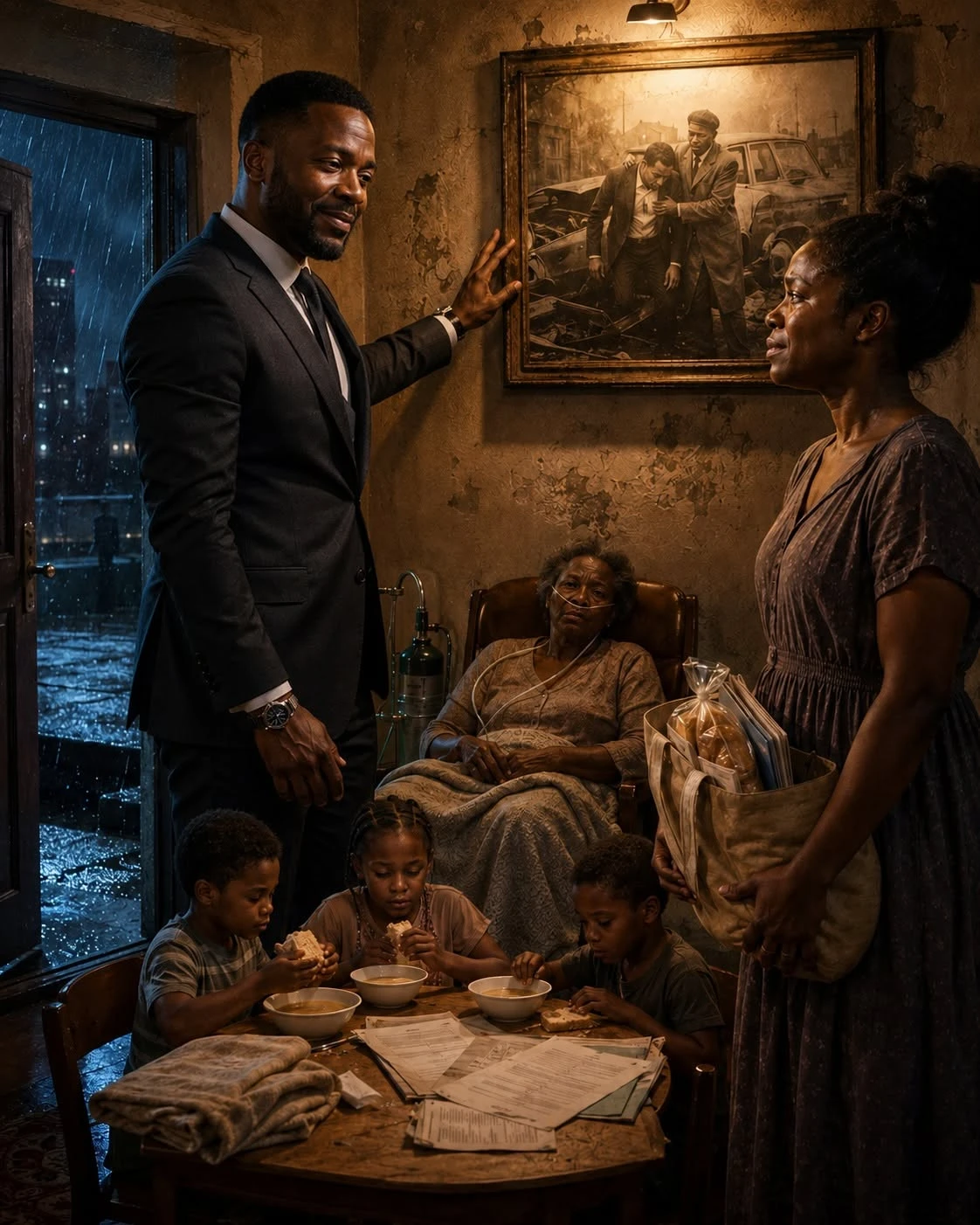
Table of Contents 6
01Chapter 1 - THE MAN WHO PULLED ME FROM THE FIRE
02Chapter 2 - THE LETTER MY FATHER NEVER GAVE ME
03Chapter 3 - THE MAN WHO HAD BEEN AFRAID FOR TWENTY-NINE YEARS
04Chapter 4 - GRACE REFUSED THE MILLION-DOLLAR CHECK
05Chapter 5 - THE LAST THING ESTHER ASKED ME TO DO
06Chapter 6 - THE LIFE SAMUEL SAVED
Twenty years after the night I followed Grace home, I returned to the same neighborhood on a warm September evening.
I was seventy.
Older than I ever imagined becoming when Samuel dragged my bleeding body from a burning car.
My hair was gray.
My knees complained about stairs.
My net worth remained absurdly large despite years of giving away more money than financial advisers considered reasonable.
Grace was fifty.
She ran a nonprofit network serving families across Georgia.
She still had the ability to make me feel twelve years old whenever I said something foolish.
The children were no longer children.
Michael worked in sustainable infrastructure.
Naomi taught elementary school.
Tobi had eventually become a chef, which amused everyone because he once considered cereal a luxury.
He directed the food program at the Samuel & Esther Center.
That evening, the center was celebrating its fifteenth anniversary.
The old apartment building where Grace lived had been renovated too.
Not demolished for luxury condos.
That had been my first instinct years earlier.
Grace stopped me.
Instead, we helped establish a community land trust so residents could remain.
Another lesson.
Not every problem needs a billionaire to replace everything.
Sometimes people need power over what already belongs to their community.
After the anniversary dinner, Grace and I walked toward the center garden.
She moved more slowly than she used to.
So did I.
“Remember when you followed me?”
“I prefer to remember that as field research.”
“You stalked your housekeeper onto a bus.”
“When you say it like that, it sounds inappropriate.”
“It was.”
Fair.
We sat on a bench beneath a tree planted in Esther’s memory.
Grace handed me an envelope.
“What now?”
“Open it.”
Inside was an old photograph.
Samuel beside my wrecked car.
The same photograph from the apartment wall.
But on the back was writing I had never seen.
Esther’s handwriting.
Samuel came home that night saying he had saved a stubborn young man who kept trying to crawl back toward a burning car because he thought his briefcase mattered.
I laughed.
That sounded like me.
Grace continued watching.
There was more.
Samuel said, “That boy is going to do something big someday. I just hope somebody teaches him big is not the same as important.”
My vision blurred.
“Your mother never showed me this.”
“She found it tucked behind the frame before she died.”
“Why wait twenty years?”
Grace smiled.
“I thought you needed time.”
I looked at her.
“That seems to be a family tradition.”
We sat quietly.
Children were playing near the community-center entrance.
Volunteers carried boxes of food inside.
A young mother walked out holding a folder from the medical-support office.
Normal activity.
No cameras.
No reporters.
No heroic moment.
That was the point.
For most of my life, people called me successful because they could count what I owned.
Hotels.
Land.
Money.
Companies.
Samuel never knew any of that would happen.
He saved me when I was just a frightened twenty-year-old trapped inside twisted metal.
Then he went home to Esther and apparently worried whether I would become important in the right way.
I had not.
Not for a long time.
I became powerful.
Wealthy.
Efficient.
I learned how to buy buildings faster than most people bought furniture.
I could predict what luxury travelers wanted before they entered a lobby.
Yet when Grace carried leftover food from my kitchen, I saw theft before I saw hunger.
That was who I had become.
Grace could have hated me.
Sometimes she did.
Instead, she demanded better.
Not gently.
I needed that.
“Do you forgive me?” I asked.
Grace looked confused.
“For following me?”
“For all of it.”
She thought for a while.
“I forgave you years ago.”
“When?”
“I don’t know.”
“That’s disappointing. I expected a memorable moment.”
She smiled.
“Forgiveness usually happens quietly.”
I looked toward Samuel’s photograph.
“And Charles?”
“No.”
I glanced at her.
Grace shrugged.
“I stopped needing to forgive him. He has nothing to do with my life anymore.”
That sounded even healthier.
The center doors opened.
Tobi appeared.
“Are you two coming inside or planning to become a permanent garden exhibit?”
Grace stood.
I tried.
My knee protested.
Tobi immediately offered his hand.
I took it.
Years earlier, accepting help would have embarrassed me.
Age had improved some things.
Inside, a long table had been set for staff and volunteers.
Not a billionaire’s banquet.
Plastic plates.
Too much rice.
Roasted chicken.
Vegetables.
Bread.
Children running between chairs.
Grace sat beside Naomi.
Michael argued with Tobi about football.
I found myself at the end of the table with a seven-year-old scholarship recipient’s son explaining a video game I did not understand.
Halfway through dinner, I stopped eating and looked around.
Grace noticed.
“What?”
“Nothing.”
“You’re staring.”
“I’m noticing people.”
She became quiet.
Then smiled.
Esther’s final lesson.
Notice people.
It sounded small.
It turned out to require a lifetime.
After dinner, I returned alone to Samuel’s photograph hanging inside the center lobby.
A plaque beneath it read:
SAMUEL OKORO
HUSBAND. FATHER. WORKER. WITNESS.
HE SAW SOMEONE IN DANGER AND CHOSE TO ACT.
Nothing about billionaires.
Nothing about me.
Perfect.
I touched the edge of the frame.
“Thank you.”
I had said those words privately many times.
That night felt different.
Samuel saved my life once.
Grace saved what I did with it.
Esther saved me from turning gratitude into guilt.
The children taught me that security could mean something as simple as knowing there would still be breakfast tomorrow.
My father’s letter taught me how easily ambition becomes blindness.
Even Charles taught me something, though I hated admitting it.
A man can accumulate almost unlimited wealth while becoming poorer in every way that matters.
Outside, Grace called my name.
I turned.
Everyone was waiting near the entrance for a group photograph.
Tobi shouted that if I made them stand another minute, he was leaving.
I walked toward them.
Slowly.
No one rushed me.
Grace stood on one side.
Michael on the other.
Naomi pulled me closer.
Tobi complained that I was blocking him.
The camera timer began blinking.
For one second, I remembered another flashing light.
Fire.
Rain.
Broken glass.
Samuel pulling me across wet pavement while my car burned behind us.
Twenty-nine years later, I followed his daughter home because I suspected her of stealing food.
Twenty years after that, I stood surrounded by the family he died protecting.
If someone had told the twenty-year-old version of me what the most valuable part of his future would be, he would have guessed money.
He would have been wrong.
The camera flashed.
Everyone laughed because Tobi had closed his eyes.
We took another.
Then another.
Eventually Grace complained.
“Henry.”
“What?”
“You’re crying.”
“I’m seventy. My eyes leak.”
“That’s not how age works.”
“You’re not a doctor.”
Neither was Samuel.
He was simply a man driving home from work who saw smoke and stopped.
That one decision gave me decades I nearly wasted misunderstanding what mattered.
I looked once more toward his photograph through the glass doors.
Then I put my arm around Grace.
The life Samuel saved had finally become something I believed he would recognize.
Not because I became less rich.
Not because every mistake was repaired.
Some things cannot be repaired.
But because I eventually learned the lesson his family had been living long before I noticed them.
What you keep for yourself may make you wealthy.
What you notice, protect, and share with others is what makes the life worth saving.
THE END
Other posts