Chapter 5 - ONE HUNDRED SEVEN NIGHTS BECAME A FAMILY JOKE
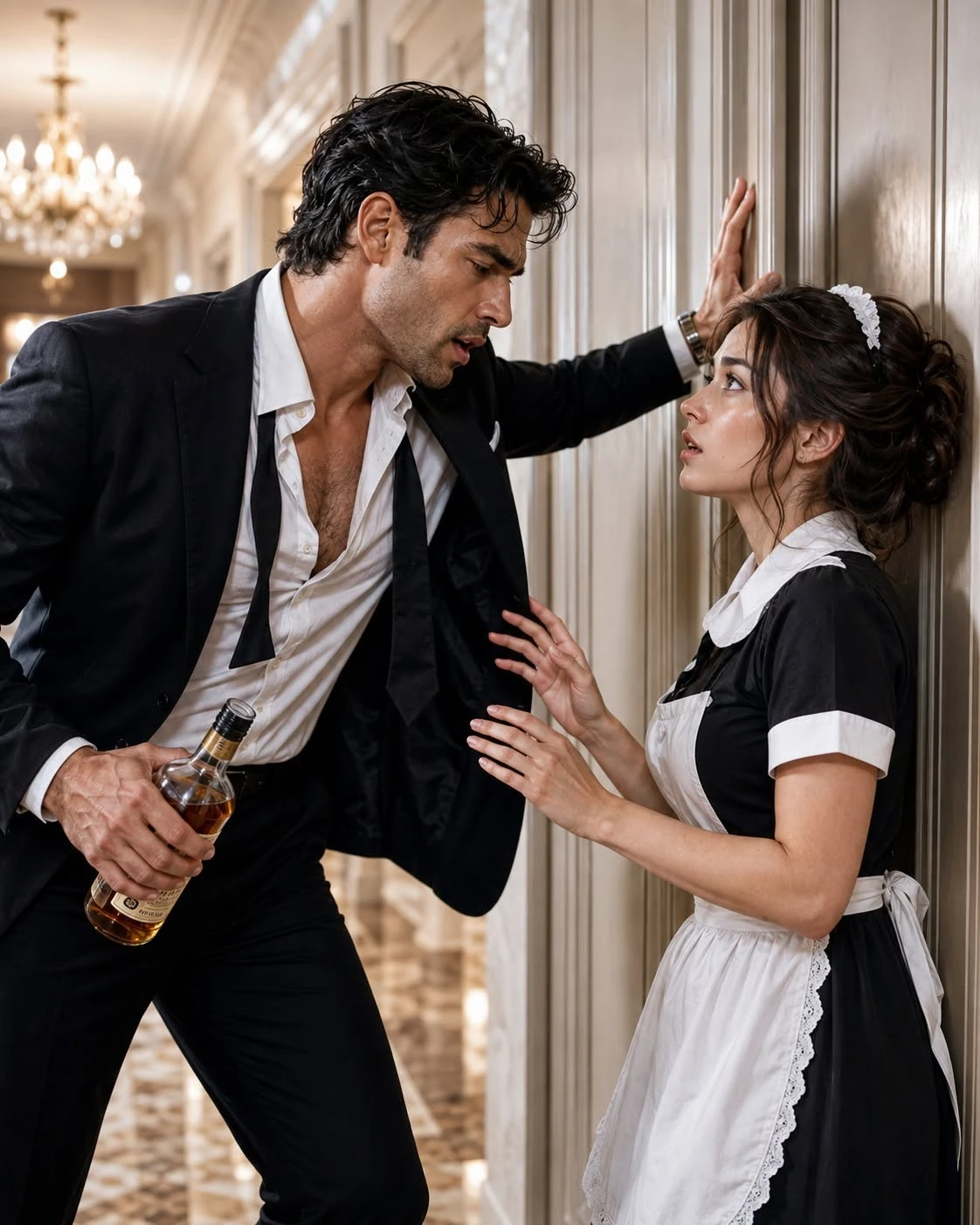
Table of Contents 5
Five years later, Micah graduated from college.
That alone felt impossible.
Not because doctors had ever told us he would die young.
Because illness had made the future feel too expensive to imagine.
Yet there he stood in a blue graduation gown, thinner than most boys his age but grinning like he personally invented higher education.
Raphael cried.
He denied it.
“There was dust.”
“Outside?”
“Wind.”
“There is no wind.”
Micah looked at me.
“He’s terrible at emotions.”
“Improving.”
I had graduated nursing school three years earlier and worked in pediatric immunology.
Not because Micah’s illness obligated me to make a career from family trauma.
I simply discovered I was good at helping frightened families understand complicated treatment.
I liked the work.
I was also good at recognizing when parents were pretending they understood doctors because they were too embarrassed to ask questions.
I always stopped.
“Tell me what part didn’t make sense.”
Sometimes dignity begins there.
Raphael and I married two years before Micah’s graduation.
Small ceremony.
No crime-family spectacle.
No newspapers.
Marcus, Raphael’s oldest loyal friend, stood beside him.
Micah walked me down the aisle and whispered, “If he hurts you, I know where he lives.”
Raphael heard.
“I also paid for the venue.”
“Useful.”
They never stopped.
Marriage to Raphael looked nothing like I once imagined marriage to a powerful man would.
We kept separate bank accounts.
I worked.
He asked before making decisions affecting my family.
He still had security because old reputations do not disappear just because someone starts attending therapy.
But the mansion changed.
I never moved back into the staff wing.
Obviously.
Raphael eventually sold the old estate.
Too many memories.
Too many hidden rooms.
Too many corridors built for people to disappear into.
We bought a smaller house outside the city.
Still larger than any normal person required.
I complained.
Raphael claimed compromise had limits.
The house had no servants’ staircase.
That was intentional.
One rainy night, almost exactly seven years after the knock at 2:07 a.m., I woke to three soft knocks on our bedroom door.
Raphael was beside me.
I opened my eyes.
“Did you hear that?”
“Yes.”
Micah stood outside.
He was twenty-one and temporarily staying with us between college and graduate school.
He looked terrible.
“What happened?”
“My infusion port hurts.”
Every joke disappeared.
I sat up.
We went to the hospital.
Infection.
Treatable.
Not catastrophic.
Still frightening.
Old fear returned easily.
Hospital lights.
Numbers.
Waiting.
Raphael sat beside me.
He didn’t say everything would be fine.
He had learned not to promise what he could not control.
He simply took my hand.
Micah recovered after several days.
Before discharge, he looked at Raphael.
“You know she stayed awake the entire first night?”
“Yes.”
“She does that.”
“I know.”
Micah looked at me.
“You two are weird.”
“We know.”
He smiled.
Then asked Raphael, “How long did it take you to ask her out?”
Raphael answered, “One hundred seven nights.”
I groaned.
Micah sat upright.
“What?”
“No.”
“This story is happening.”
Raphael betrayed me completely.
He told him.
The midnight kitchen.
The studying.
The nights he wanted to knock.
Not the most dangerous parts.
The embarrassing ones.
Micah laughed so hard a nurse came in.
From that day forward, “107 nights” became family language.
If Raphael hesitated too long choosing dessert, Micah asked whether he needed 107 nights.
When I delayed replacing my old car, Raphael used it on me.
When Micah proposed to his girlfriend years later, Raphael asked whether he waited 107 nights.
He had waited three years.
We accepted defeat.
Life became ordinary in ways I once thought were reserved for other people.
Bills.
Birthdays.
Arguments over thermostat settings.
Micah’s health remained complicated but stable.
Raphael’s businesses became entirely legitimate after years of restructuring.
Some people still called him the Wolf.
He hated it less than I expected.
“Names belong to the past too,” he said.
“You don’t have to destroy every version of yourself to become better.”
That sounded like therapy language.
I accused him.
He admitted nothing.
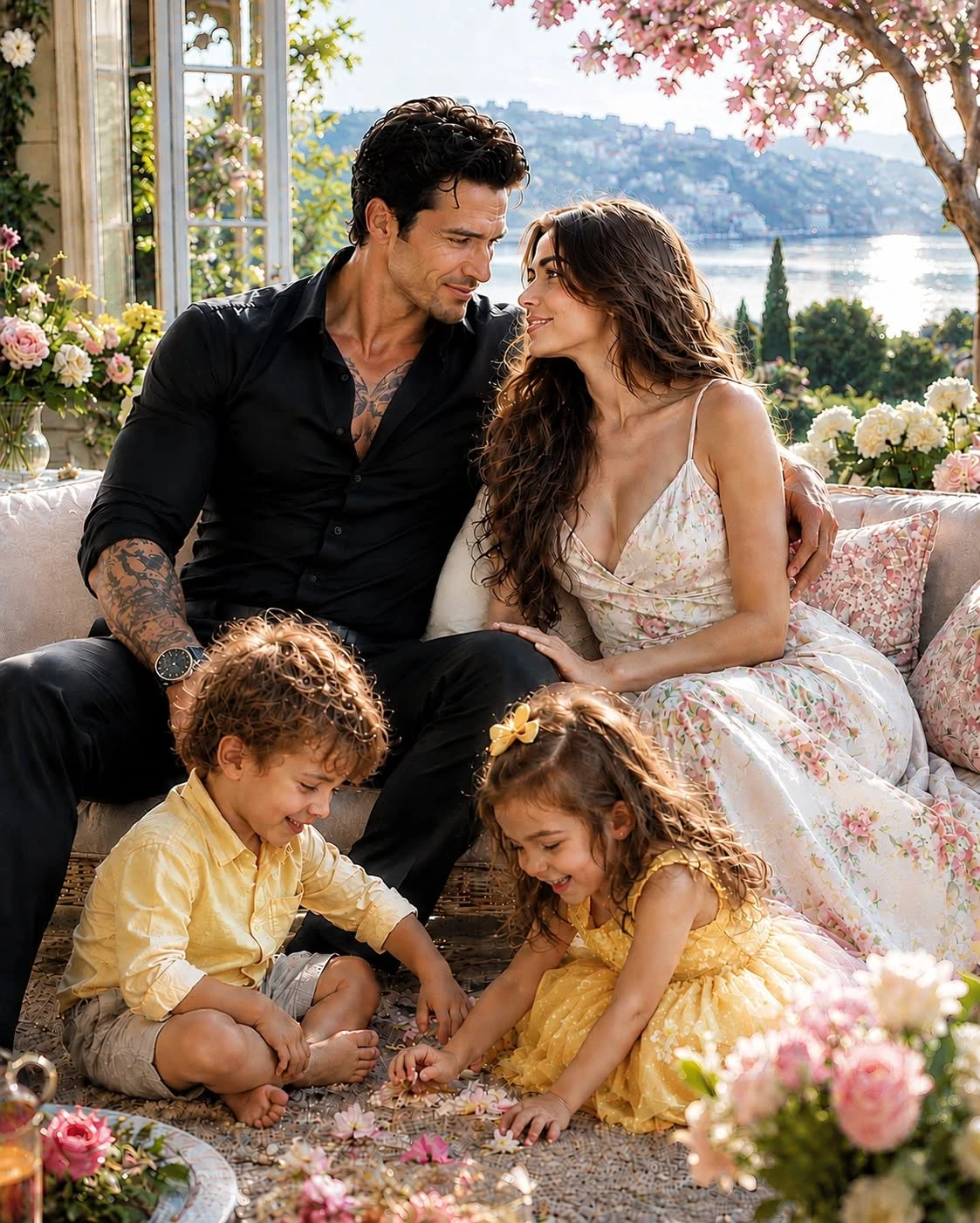
Eventually, we had a daughter.
Elena.
Raphael became absurd.
He inspected car seats like they were military equipment.
He once called a pediatrician at midnight because Elena hiccupped eight times.
I reminded him I was a nurse.
He said motherhood compromised my objectivity.
I threatened divorce.
He apologized.
When Elena was three, she discovered an old photograph of Raphael from his early thirties.
Dark suit.
Cold eyes.
Men behind him.
“Daddy?”
“Yes?”
“Why do you look mean?”
I nearly died laughing.
Raphael stared at the photo.
“I was tired.”
She nodded seriously.
“You needed a nap.”
Apparently twenty years of organized crime could have been resolved through sleep.
Raphael agreed.
That evening, after Elena went to bed, we sat outside.
Rain tapped against the patio roof.
Same kind of rain as the night he first came to my door.
“You remember?”
I asked.
“Unfortunately.”
“You were a disaster.”
“I was having a difficult evening.”
“You buttoned your shirt wrong.”
“That feels irrelevant.”
“You were drunk.”
“One time.”
“You hid under stairs.”
“Against my dignity.”
I smiled.
Then he became quiet.
“I really thought you’d close the door.”
“Why did you knock?”
He looked toward the dark yard.
“Because everyone else in that house knew the Wolf.”
His hand found mine.
“You were the only person I thought might let Raphael in.”
That hurt beautifully.
I leaned against him.
For years, I believed the night he knocked on my door changed my life because it dragged me into danger.
Matteo.
Dad.
Hopewell.
Micah.
The ledger.
All true.
But that night changed something else.
Two people who had built themselves around survival finally let someone else see the exhaustion underneath.
Raphael believed needing help made him weak.
I believed accepting help made me dependent.
We were both wrong.
What mattered was how help was offered.
Without ownership.
Without debt.
Without using love as leverage.
The exact opposite of everything Matteo believed.
That became our marriage.
Not perfect.
Never effortless.
But free.
Years later, after Micah became a physician specializing in rare pediatric immune diseases, he spoke at a hospital fundraiser.
Raphael and I sat near the back.
Micah told the audience about families who delayed treatment because they feared cost.
He did not mention Matteo.
Or stolen drugs.
Or Dad’s murder.
That history belonged to us.
Instead, he said something simple.
“No patient should ever feel their survival is something they owe another person for.”
Raphael reached for my hand.
We both understood.
Afterward, Micah found us.
“How was I?”
“Too long,” Raphael said.
“You cry?”
“No.”
“Dust?”
“Yes.”
“Indoor wind?”
“Exactly.”
I hugged my brother.
There had been a time when I would have given anything simply to keep Micah alive.
Now he was saving other children.
Not because suffering had secretly been good.
It wasn’t.
Because once he survived, he chose what to build from it.
Dad would have been proud.
On the anniversary of my father’s death, we visited his grave.
Micah placed flowers.
Raphael stood several feet away.
Always respectful of the space.
I waved him closer.
He hesitated.
“Come.”
He joined us.
Micah looked at Dad’s name.
Then at Raphael.
“You think he would’ve liked you?”
Raphael considered.
“No.”
I laughed.
“At first.”
“That’s fair.”
Micah smiled.
“He gave you a chance.”
Raphael looked toward the stone.
“Yes.”
Then he whispered something.
Too quiet for Micah.
Not for me.
“Thank you.”
We stood there together.
Not the family any of us expected.
Still family.
Sometimes the happiest endings do not arrive when danger disappears.
They arrive years later when the danger has become history instead of identity.
Raphael was no longer the drunk man hiding beneath a staircase.
I was no longer the employee terrified that one lost paycheck could destroy my brother.
Micah was no longer a child whose medication could be used as leverage.
And my father was no longer a man remembered only for the way he died.
His evidence had exposed Matteo.
His voice had forced Raphael to choose.
His courage gave us the truth.
One hundred seven nights after Raphael first wanted to knock on my door, he finally did.
For years, he believed that was the beginning of our love story.
I disagreed.
The beginning came a few hours later, when he stopped trying to protect me by controlling what I knew and finally told me the truth.
Love did not save us from consequences.
It did not erase grief.
It did not make powerful men harmless.
It simply gave us a reason to become more honest than fear wanted us to be.
And after everything we survived, that was more than enough.
THE END
Other posts