Chapter 6 - The Home We Chose
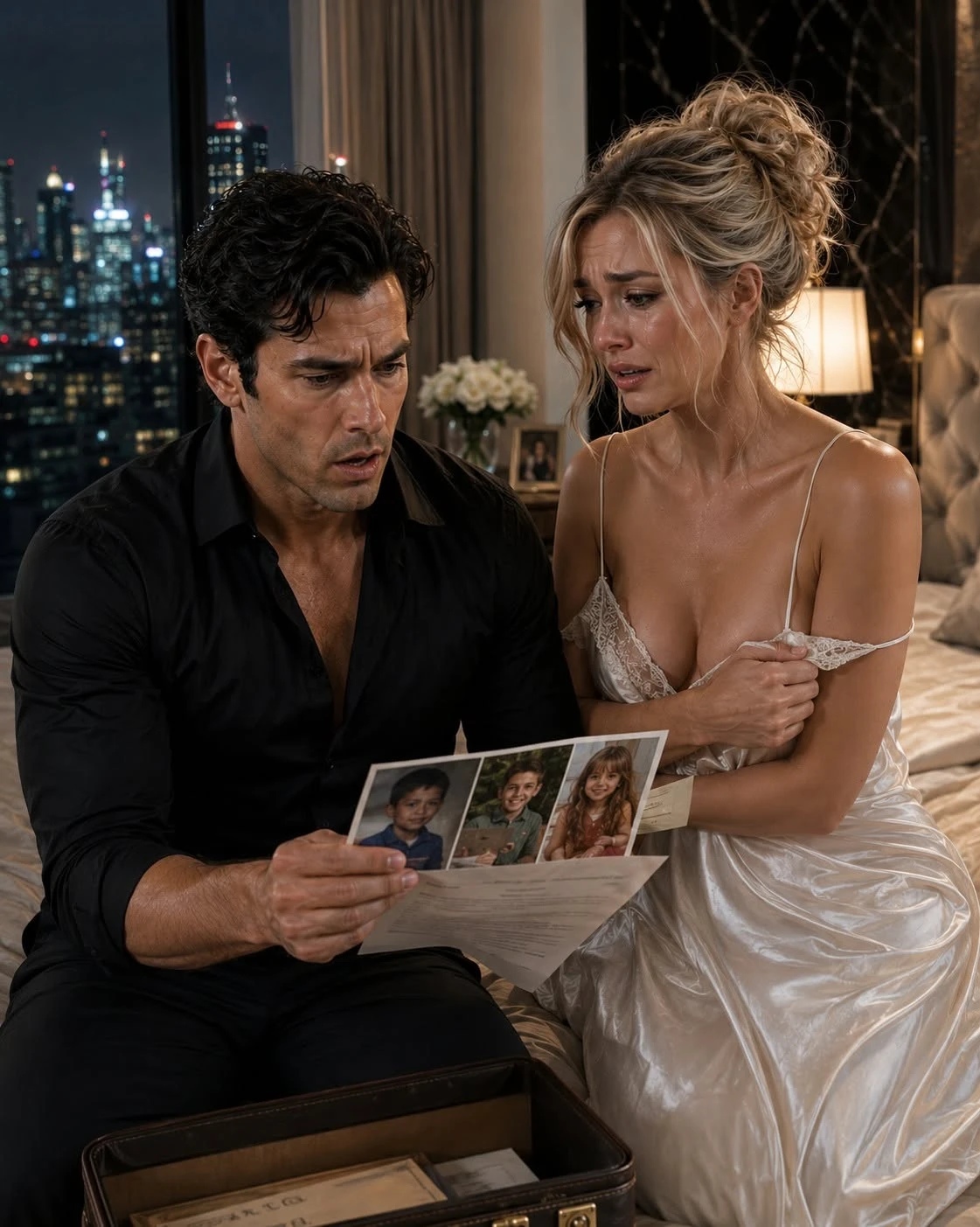
Table of Contents 6
The hearing took place on a gray Thursday morning in a courthouse that smelled like old wood, ink, and impatience. I sat beside Emily with Margaret Vale on the other side, and for the first time since I had met my wife, I saw her hands still.
Not because she was calm.
Because she had finally decided she would not run.
Across the room, my mother sat rigidly upright, her face fixed in the kind of expression that had once made boardrooms go silent. She did not look at Emily. She looked at the papers in front of her as if refusing to give them human shape would make them less dangerous.
Margaret rose and laid the envelope contents on the table one by one: the authenticated photographs, the guardianship record, the emergency protective custody language, and the Caldwell family documents that tied everything together. She spoke with the steady precision of someone who understood that truth had to be handled carefully or it could be buried again by louder people.
When she finished, the room was quiet enough that I could hear Emily swallow.
Then I stood.
“I need to say something,” I told the judge, and my voice came out rougher than I expected. “For years, people in my town looked at this woman and decided they knew her. They decided the worst thing they could imagine was the truth. They made her reputation into entertainment, and they did it while she was using her paycheck to protect three children who had already lost more than most adults ever will.”
Emily’s eyes closed for a second. Not from shame. From relief.
I turned toward my mother before I could stop myself.
“You taught me to value family,” I said. “What you and the rest of this town did was the opposite. You saw a young woman carrying a burden she never asked for, and instead of asking why, you chose the cruelest story available.”
My mother’s jaw tightened, but she said nothing.
Margaret confirmed the last legal point, and after a final review, the judge acknowledged what the record had already shown: Emily Carter had not abandoned anyone, misled anyone, or lived the lie people assigned to her. She had acted as an emergency guardian under devastating circumstances and had kept three children safe until the law could catch up with the truth.
When the ruling was read aloud, Emily covered her mouth with both hands and cried silently.
I put my arm around her and felt her shaking.
Not from fear this time.
From release.
Outside the courthouse, the air was cold and bright. There were no cameras waiting, no crowd of strangers hungry for a scandal to feed on. Just a few people from the legal office, Margaret, and the three children who had been brought in after school by a careful arrangement that Emily had approved.
Johnny ran first. He was taller than I had expected, all long limbs and cautious hope. Paul followed, trying to act older than he was. Lily came last, and the instant she saw Emily, her face changed completely.
Mama, she called, and Emily dropped to her knees in the courthouse steps and opened her arms.
I had never seen a moment look so small and so large at the same time.
The children folded into her like they had been waiting all their lives to come home.
Then Johnny looked up at me, uncertain, guarded, brave enough to ask the question no child should have to ask twice.
“Are we really staying?”
I knelt beside Emily and looked at all three of them.
“Yes,” I said. “You are staying. With us.”
Paul blinked hard and then smiled like he had not trusted happiness in a long time. Lily threw her arms around my neck so suddenly I nearly lost my balance.
My mother came down the courthouse steps slowly. She stopped a few feet away, looking at the children, then at Emily, and finally at me.
“I was wrong,” she said, and the words seemed to cost her everything. “I believed what was easy.”
Emily did not answer at once. When she finally did, her voice was steady.
“They were never yours to judge.”
My mother nodded once. It was not an apology that fixed the past. But it was the beginning of something less dishonest.
That evening, we returned to the estate together. The house looked different with the lights on and the children’s voices moving through it. Not empty, not polished, not lonely. Alive.
Emily stood in the doorway of the kitchen, watching Johnny raid the cookie jar, Paul argue over a board game, and Lily insist that I was cheating even when I was losing badly on purpose.
She glanced at me, eyes still damp, and smiled in a way I had never seen before.
“I thought I was protecting them alone,” she whispered.
I took her hand.
“You were,” I said. “Until I finally learned how to stand beside you.”
She leaned into me, and for once there was no secret between us, no wall of fear, no rumor waiting in the next room. Just the life we had chosen, imperfect and honest and finally ours.
That night, when the children were asleep and the house had gone soft with peace, Emily and I sat together by the window overlooking the dark lawn.
“I was afraid you’d see me differently after all this,” she said.
I kissed her forehead.
“I do see you differently,” I answered. “I see exactly who you are now.”
A woman who had loved without applause. A guardian who had carried too much alone. A wife who had trusted me with the truth when it mattered most.
And I knew then that I had not merely married the housekeeper everyone had mocked.
I had married the woman who had held a broken family together long enough for it to become one.
Other posts