Chapter 8 - The Dinner We Chose
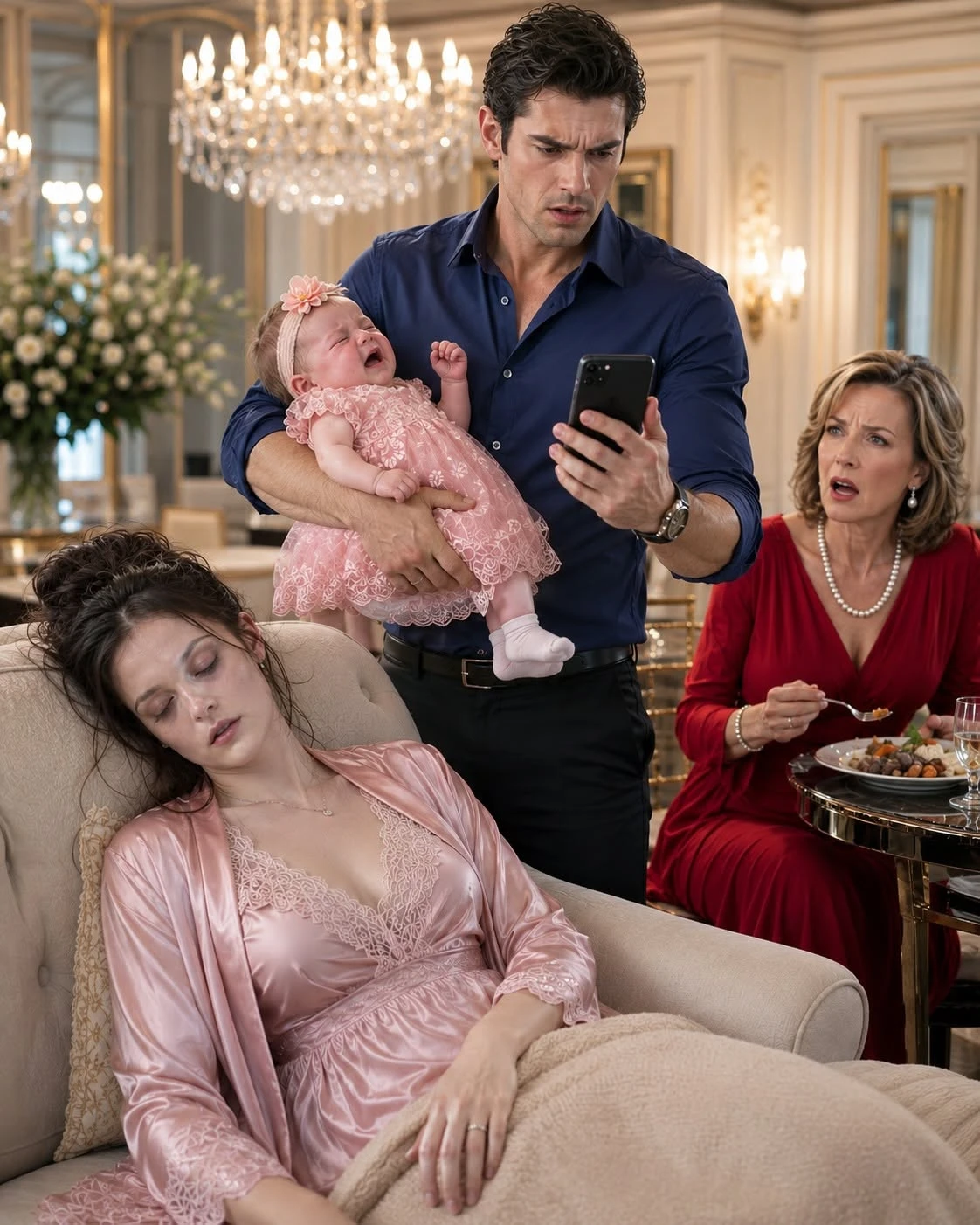
Table of Contents 8
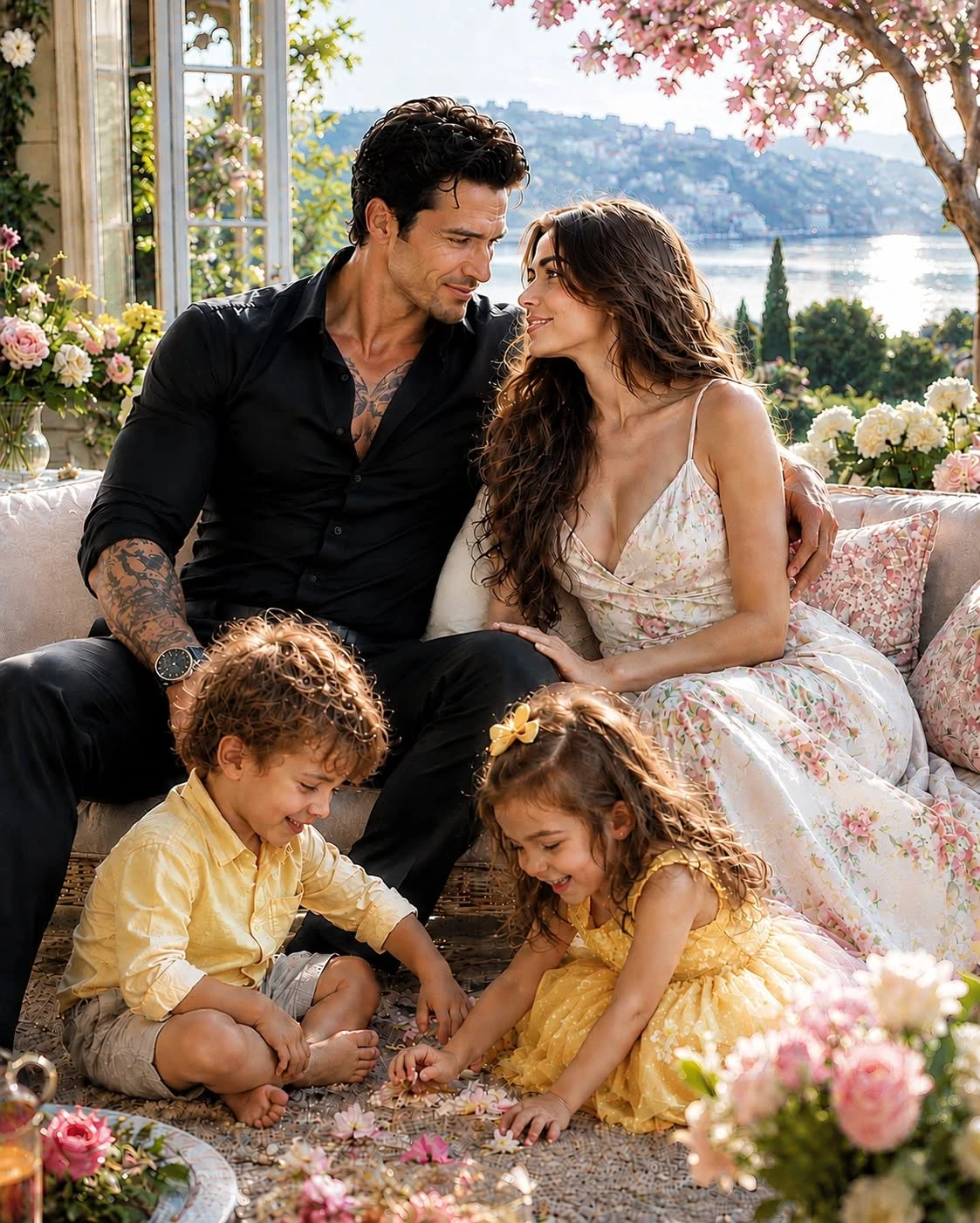
Seven years have passed since I came home to the sound of my newborn screaming.
Our son is seven now.
Lily is four.
The house is rarely clean for more than twenty minutes.
Mom has finally accepted that toys on the floor are not evidence of moral collapse.
She is older.
Her health requires more help.
Emma and I share appointments, groceries, and practical responsibilities without allowing old patterns to return.
Mom still occasionally tries.
The difference is that she catches herself now.
Most of the time.
Clara’s First Weeks nonprofit supports hundreds of families each year. The program expanded to three hospitals and created a small emergency housing fund for mothers recovering from difficult births.
Mom still volunteers.
She has become unexpectedly popular with younger volunteers because she tells them bluntly when they are turning help into performance.
Last winter, First Weeks held a fundraising dinner.
Clara asked Mom to speak.
Mom nearly refused.
Eventually, she stood in front of two hundred people.
I sat beside Clara with our children between us.
Mom told the room about becoming a grandmother for the first time.
She did not polish the story.
She said she entered our home believing suffering built character because suffering had built hers.
Then she described seeing Clara exhausted and deciding the correct response was to demand more.
Mom paused for a long time.
She said the hardest part of therapy had been learning that surviving something did not make the thing good.
Pain was not automatically a lesson.
Sometimes pain was simply pain.
The kinder choice was making sure the next person carried less of it.
Clara squeezed my hand.
Mom looked toward us.
Then she told the audience that the night Clara collapsed was the worst example of who she had allowed herself to become.
She did not ask anyone to forgive her.
She simply explained why First Weeks mattered.
The room stood when she finished.
Mom looked uncomfortable with the applause.
That was probably healthy.
After the event, we came home for dinner.
Not a formal meal.
Pasta.
Salad.
Garlic bread.
Our son complained about mushrooms.
Lily spilled water.
Clara forgot something in the oven long enough for the edges to burn.
Nobody cared.
At one point, Mom looked around the kitchen.
Seven years earlier, she would have criticized everything.
Instead, she smiled.
“Looks like people live here.”
That sentence made me stop.
Maybe that was what our family had been learning all along.
Living creates mess.
Relationships create conflict.
Children cry.
People disappoint each other.
Strength is not making every room perfect enough that nobody can criticize you.
Strength is knowing what deserves protection when everything becomes uncomfortable.
I once protected peace.
Or what I called peace.
In reality, I protected my own desire not to challenge Mom.
Clara paid the price.
Our marriage nearly did too.
The night I found her unconscious changed something permanently.
I stopped asking whether setting a boundary made me a bad son.
I started asking whether refusing one made me a bad husband and father.
That question led me somewhere better.
Mom never regained control of my house.
She gained something else.
A place in our family that did not require control.
Clara never became the daughter-in-law Mom originally demanded.
She became someone Mom eventually learned to respect.
I never became the son who abandoned his mother.
I became the son who loved her without surrendering everyone else.
Later that evening, after Mom left, Clara and I sat on the couch where she had collapsed years earlier.
We never replaced it.
For a long time, I thought we should.
Clara refused.
She said she did not want one terrible night owning a perfectly good couch.
Our children were asleep upstairs.
Dirty dishes waited in the kitchen.
A basket of unfolded laundry sat beside us.
Clara leaned against my shoulder.
I thought about the baby screaming.
The roast chicken on Mom’s plate.
The word “Drama queen.”
All of it felt distant now.
Not erased.
Changed.
Mom taught me many things growing up.
Some I kept.
Work hard.
Show up.
Do not waste what you have.
Others ended with me.
Love is not debt.
Respect is not obedience.
Pain does not earn authority.
And keeping peace is not worth much if the price is letting someone you love be hurt.
That is the inheritance I want my children to receive.
Not silence.
Not fear.
Not guilt disguised as family loyalty.
Something simpler.
The certainty that if they ever whisper, “Something is wrong,” the people who love them will listen.
Other posts