Chapter 6 - The House Became a Place Nobody Had to Whisper
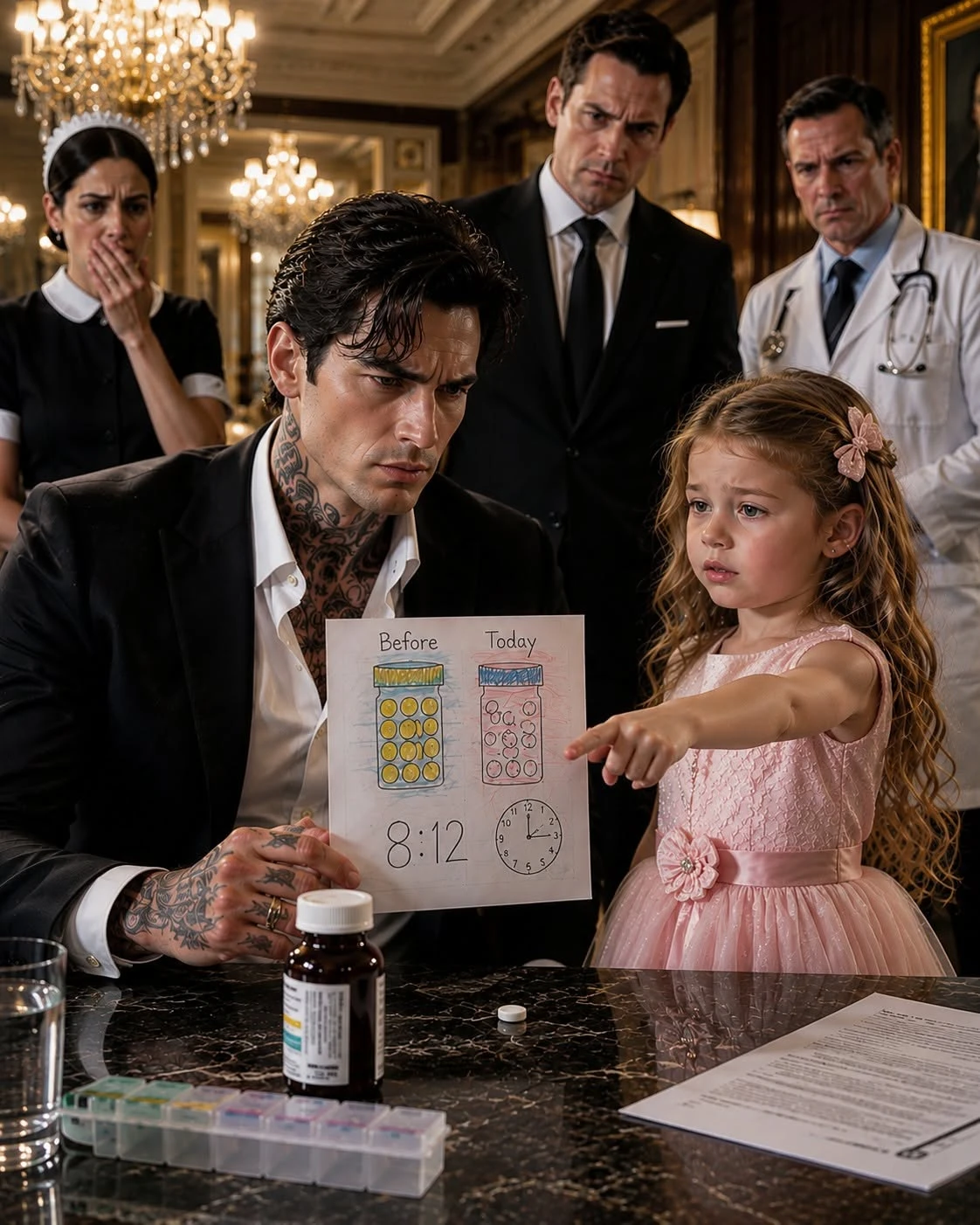
Table of Contents 7
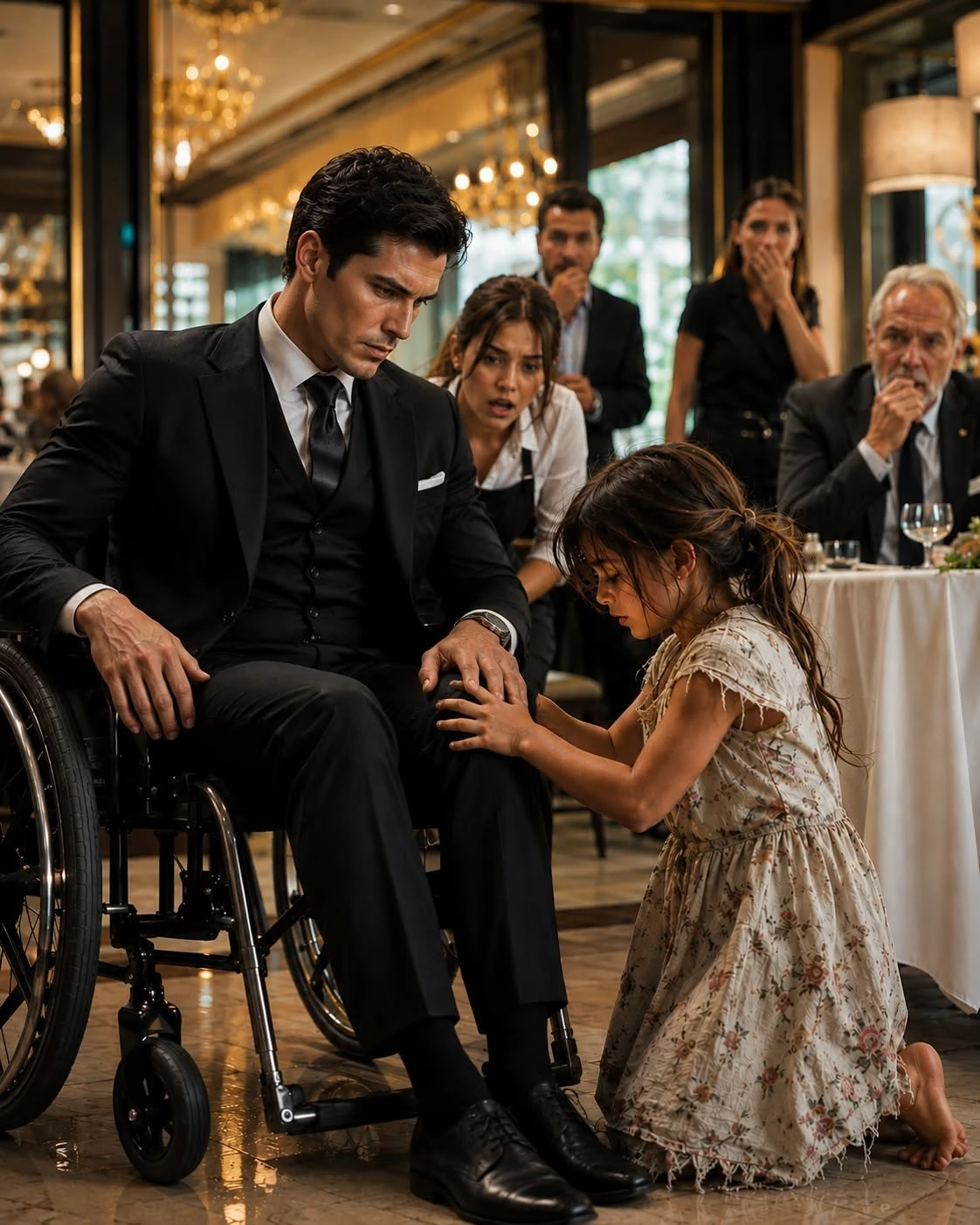
Three years after Victor’s arrest, my home no longer resembled the place where Sophia stopped me from swallowing that pill.
The marble remained.
So did the chandeliers.
I had spent too much money on them to become philosophical enough to throw them away.
What changed was the silence.
Victor had built a house where everyone lowered their voice because being noticed could become dangerous.
Now people spoke.
Sometimes too much.
Matteo considered the dining room perfect for toy-car races.
Sophia corrected my grammar.
Lucia openly disagreed with me in front of employees, which would once have made half the room uncomfortable.
Now nobody stopped breathing.
That was progress.
Victor was convicted after a long case and received a sentence that ensured he would spend much of the rest of his life in prison.
I attended only part of the trial.
Lucia asked why.
I told her I had already given Victor enough years.
She understood.
Peter eventually recovered and entered witness protection temporarily because of threats connected to DeLuca’s organization. Gabriel helped his family relocate safely.
For a while, Gabriel considered leaving my service altogether.
I encouraged him.
He looked almost offended.
“Are you firing me?”
“No. I’m telling you that staying because Victor taught you loyalty would be a terrible reason.”
He eventually stayed.
Under new rules.
No single person controlled my security, medicine, correspondence, or finances again.
Trust stopped meaning unlimited access.
I learned that lesson late.
Better late than dead.
Elena became operations manager for a staff-support foundation Lucia helped me create. She was far better at understanding what working families actually needed than the executives I originally hired.
Sophia was eight by then.
She still drew.
Her hands had grown steadier.
Her clocks were more accurate.
She no longer spent evenings hiding near the service table while her mother worked.
Instead, she complained about homework like a properly cared-for child.
My relationship with Lucia became something neither of us expected.
Not restored.
New.
That distinction mattered.
We could not return to the years before our argument because both of us had changed.
So we built different habits.
I called her directly.
No assistants.
No intermediaries.
When she was angry, she told me.
When I disagreed, I tried not to interpret disagreement as disloyalty.
I failed occasionally.
Lucia reminded me.
Matteo became my greatest weakness.
He discovered this early and used it professionally.
At eight, he negotiated bedtime extensions with the confidence of a union leader.
One Sunday, he asked why my old friend Victor wanted to kill me.
Lucia nearly choked on coffee.
Children had apparently inherited Sophia’s talent for inconvenient questions.
I answered carefully.
Victor believed everything he had done for me created a debt I could never repay. When he felt overlooked and financially desperate, that resentment became an excuse for choices that were entirely his responsibility.
Matteo thought about it.
“So he stopped being your friend?”
“Yes.”
“When?”
That question was harder.
Maybe friendship ended when the first pill was changed.
Maybe when the first letter was hidden.
Maybe long before either event, when both of us began believing loyalty meant never questioning each other.
“I’m not sure.”
Matteo nodded as though uncertainty was acceptable.
Adults could learn from that.
Then he asked whether Sophia really knew the pills were different because of the sound.
“Yes.”
He looked impressed.
“She’s smart.”
“She’ll be unbearable when I tell her you said that.”
He immediately withdrew the compliment.
That evening, after everyone left, I sat alone in the same dining room where the story began.
My medication bottle stood beside the espresso.
New system.
Tamper seal.
Independent pharmacy verification.
Nobody handled it except me.
I shook the bottle.
The dry plastic rattle echoed through the room.
For years, the sound reminded me of Victor.
Now it reminded me of Sophia.
A child noticing something the adults around her had stopped paying attention to.
That was the deepest change Victor accidentally forced into my life.
I had spent decades believing powerful people survived because they controlled more information than everyone else.
A five-year-old taught me the opposite.
Sometimes survival depends on creating a room where the smallest person feels safe enough to speak.
Other posts