Chapter 2 - The Things She Hid
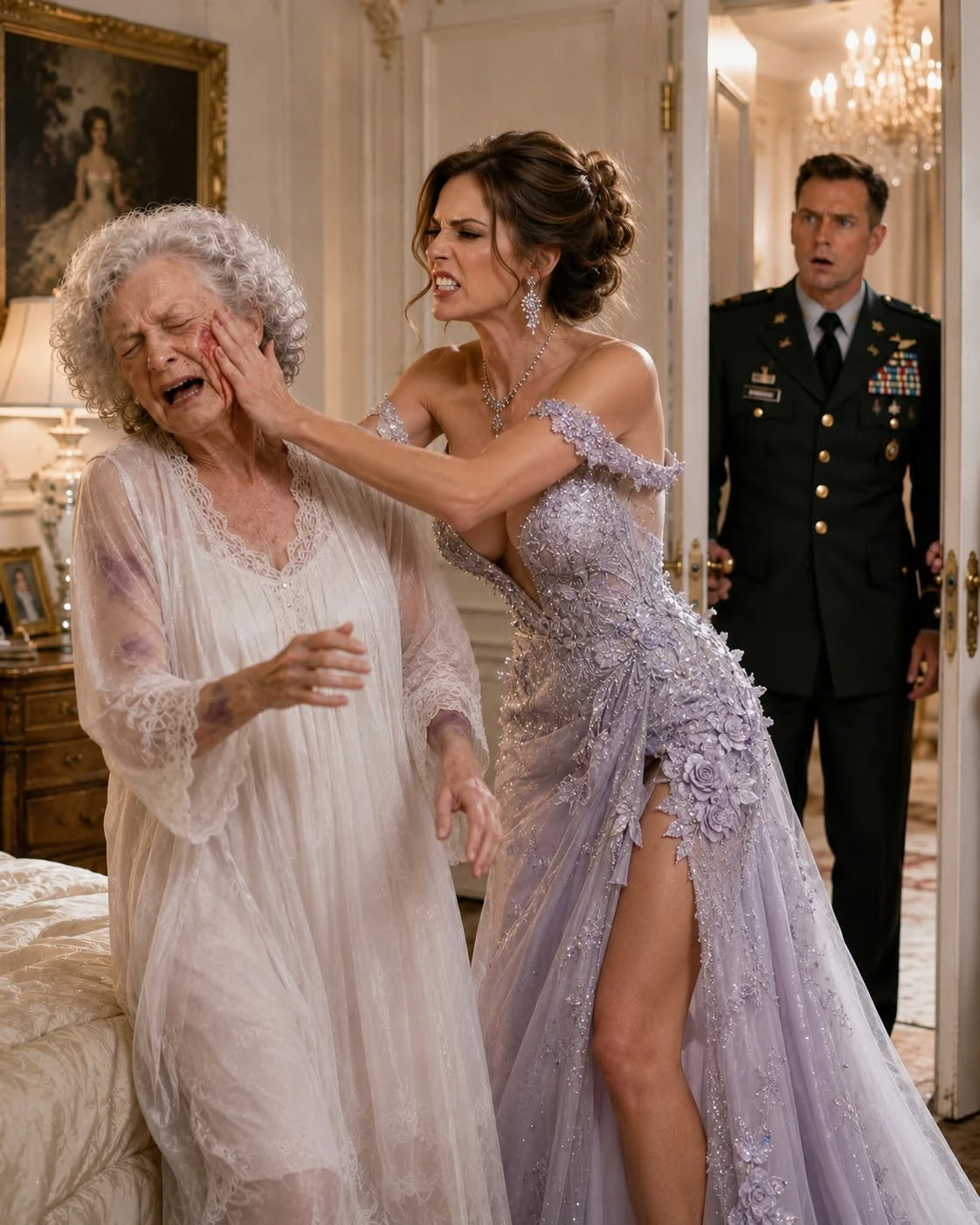
Table of Contents 6
The next morning, Claire acted like nothing was wrong.
She made coffee. She kissed my cheek. She asked if I’d slept well, and her voice had that soft, intimate quality that would have made me doubt myself if I had not already heard her upstairs lying to our neighbor with the same mouth.
I kept my face steady and ate breakfast beside her. I listened while she explained the appointments she had scheduled for Mom. A neurologist. A psychiatrist. A legal consult. Every detail was arranged to make the situation look professional, necessary, and final.
When Mom came downstairs, Claire’s whole posture changed. She became careful, patient, almost tender. It was a performance. One I now recognized.
Mom played her part well. She looked uncertain, asked where her slippers were, and repeated a question she had already asked once. Claire watched her with a thin smile of satisfaction, as if each mistake proved her case.
I nearly said something then. Instead, I watched.
After breakfast, Claire left for what she called an urgent errand. The moment her car pulled out, Mom’s expression changed completely. The confusion fell away.
“She moved the file cabinet three weeks ago,” Mom said quietly.
I looked at her. “What file cabinet?”
She led me to the laundry room. Behind a stack of detergent boxes, there was a loose panel in the wall, and behind that, a small waterproof bag tucked inside the framing. My mother’s hands shook only once as she opened it.
Inside were copies of bank statements, handwritten notes, and a USB drive.
“I knew something was wrong when she started asking me to repeat my Social Security number,” Mom said. “Then she took my phone. Then my mail stopped coming. I asked where my statements were, and she said the bank had made a mistake.”
She handed me a page from a notebook. It listed dates, account numbers, withdrawals, and cash transfers. Her handwriting was tight and deliberate. She had been documenting every change.
I stared at the notes. “You’ve been collecting this for how long?”
“Long enough to know I was not imagining things.”
That night, while Claire was showering, I examined the USB drive. It contained scanned copies of medical forms, screenshots of online account activity, and audio clips. One clip made my stomach tighten.
Claire’s voice.
“Don’t make this difficult, Eleanor. If you cooperate, this can be simple.”
Then my mother’s voice, thin and angry. “I want my lawyer.”
A pause. Claire again, colder now. “You have no one in your corner. That’s the problem.”
The file ended there.
I stood in the kitchen with the laptop open and felt the first clean surge of rage since I came home. Not the hot kind that gets people hurt. The cold kind. The kind that turns into planning.
I copied everything. Multiple backups. Cloud storage. External drive. Encrypted archive.
When Claire came downstairs, her hair damp and her face soft again, I shut the laptop.
“You look tired,” she said.
“Long flight.”
She kissed me and reached for my hand, but I noticed something new: a neat ring of red on her wrist, like she had recently been gripping something hard. Or had someone else been gripping her.
Later that evening, I tested the old house phone. It had been unplugged. The router had been moved. Mom’s medication bottles had been replaced with identical ones labeled from a pharmacy I didn’t recognize.
I called the pharmacy using a burner phone. The prescription history was not under Mom’s name anymore. It was under a temporary caregiver account created by Claire.
I knew then that this had been building for more than a few weeks.
It was also clear Claire had help.
The next morning, I went to the bank. I used the excuse of confirming access as a family member returning from deployment. The branch manager, a woman who remembered Mom immediately, frowned when she saw the transfer request. The destination account belonged to a shell company registered under a consulting business with no real office.
“I’m sorry,” she said quietly. “This shouldn’t have been approved without additional verification.”
“Was it?”
She hesitated. “A notary was involved.”
That mattered. Too much.
When I came home, Claire was in the dining room speaking on the phone. Her voice dropped when she saw me. I caught only one phrase before she ended the call.
“Not now. He’s back.”
She turned and smiled as if nothing had happened. “How did the bank go?”
I met her eyes. “Interesting.”
Her smile held for half a second too long.
That night, I followed the notary trail through public records and found a name that made the room tilt slightly around me: Richard Vale, estate attorney, part-time notary, and the man who had drawn up a revised healthcare proxy for Mom six days after I deployed.
I did not know yet how Claire and Richard were connected. But I knew they were.
And I knew my wife had not been acting alone.
Other posts