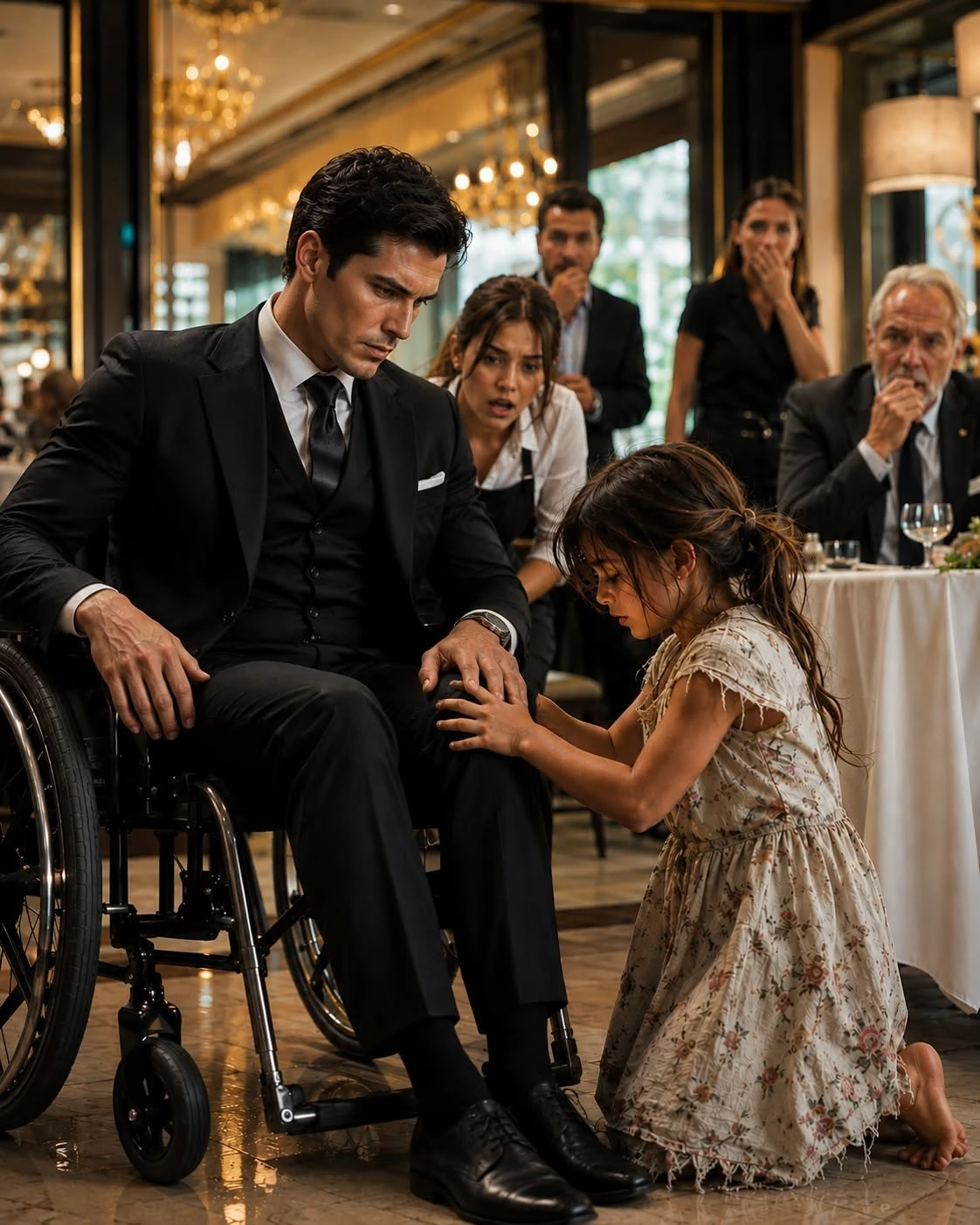
Chapter 4 - Alexander Told Me Why He Answered So Fast

Table of Contents 7
Nearly a year passed before Alexander and I spoke without Emily or Ethan being the reason.
By then, the divorce was moving forward, my professional life had stabilized into smaller consulting work, and Ethan had grown from a fragile premature infant into a determined toddler who considered every electrical outlet a personal challenge.
Alexander called one afternoon and asked if I wanted lunch.
I almost said no.
Then I remembered how many important truths I once avoided because pride made discomfort feel dangerous.
We met at a quiet restaurant.
For the first twenty minutes, we talked about everything except the night of the fall.
Eventually, I apologized for punching him three years earlier.
Alexander accepted without making it dramatic.
Then I apologized for accusing him of wanting Emily.
He looked down at his coffee.
“That part wasn’t completely imaginary.”
My stomach tightened.
Alexander admitted he had cared about Emily for years.
He never pursued her.
Not during our marriage.
Not after the separation.
Even after the night he saved her life, he kept his distance emotionally because she was recovering from trauma and needed safety, not another man competing for her attention.
I hated hearing that.
I respected him for saying it.
Then Alexander explained why he reached our estate so quickly that night.
His younger sister had died six years earlier after suffering a pregnancy complication at home. Her husband had ignored several calls because he assumed she was overreacting about discomfort.
By the time anyone arrived, it was too late.
I had never known.
The moment Emily called and said she had fallen and was bleeding, Alexander stopped hearing my wife.
He heard his sister.
That was why he dispatched a medical team before understanding every detail.
That was why his voice remained calm while everything else moved at emergency speed.
He had spent years wishing he could answer one phone call differently.
Emily accidentally gave him another chance.
I sat there feeling ashamed all over again.
Then Alexander said something unexpected.
“You need to stop making shame your favorite emotion.”
I looked at him.
He explained that guilt could become another form of selfishness if I used it to remain centered in every story. Emily did not need me suffering forever.
Ethan did not need a father who hated himself.
They needed consistency.
That advice changed more than any insult could have.
Our friendship did not return instantly.
We rebuilt it the same way everything else in my life was being rebuilt.
Slowly.
Alexander occasionally joined me and Ethan for lunch.
Sometimes Emily came too.
At first, every gathering felt like walking through a room filled with broken glass.
Then ordinary things started happening.
Ethan threw food.
Alexander told terrible jokes.
Emily laughed.
I stopped watching whether she laughed more at him than at me.
That was progress.
Our divorce finalized shortly after Ethan’s second birthday.
I did not fight it.
The settlement was fair.
Emily kept her home and career.
I maintained regular parenting time.
We created financial safeguards for Ethan that neither parent could manipulate independently.
The marriage ended without one final dramatic argument.
I expected the courthouse steps to feel like failure.
Instead, they felt like accuracy.
We were no longer pretending.
A few months later, Emily and I began co-parenting counseling.
The therapist asked whether either of us wanted to discuss reconciliation.
Emily said no.
So did I.
That surprised me.
I still loved her.
But for the first time, I understood loving someone did not mean requiring them to return to the version of life where I had hurt them.
I focused on being Ethan’s father.
I changed jobs again, accepting a role with predictable hours and far less prestige.
My old friends considered it a downgrade.
I considered being home by six a promotion.
Then, on Ethan’s third birthday, Emily handed me a small envelope after everyone left.
Inside was a photograph.
Ethan asleep against my chest during one of his first overnight stays.
On the back, she had written:
You became the father I hoped you could be.
I sat in my car afterward and cried.
Not because it meant she wanted me back.
Because for the first time, change had become visible to someone other than me.
Other posts