Chapter 5 - Hannah Refused to Rebuild the Marriage We Had
Table of Contents 7
By the twins’ second birthday, Hannah and I had become good parents together.
That achievement mattered more than romance.
We exchanged schedules without lawyers, attended pediatric appointments together, and could disagree about bedtime routines without reopening the divorce.
I had stopped asking Hannah to come back.
One evening, she finally asked why.
We were sitting on the small balcony outside her apartment after Noah and Luke fell asleep. I told her the truth. I wanted her back more than I knew how to say, but wanting something did not create a right to ask for it before trust existed.
Hannah looked at me for a long time.
Then she admitted she had been waiting for pressure.
Every month I did not push her made her trust me slightly more.
That might have been the saddest compliment I ever received.
I sold the large house where our marriage ended.
Too much lived inside those walls.
Brooke had entered through the side door.
The fake necklace had been planted upstairs.
Hannah had stood in the foyer while I accused her.
I did not want Noah and Luke growing up inside a monument to my worst decision.
I bought a smaller house fifteen minutes from Hannah.
Three bedrooms.
A fenced yard.
An ordinary kitchen.
When she visited for the first time, Hannah asked why I chose something so modest compared with the life we once had.
“Ordinary started looking expensive.”
She smiled.
I also sold my grandmother’s recovered necklace.
Not because I wanted to erase her memory.
Because the object had become too connected to manipulation.
Part of the money went into trusts for Noah and Luke.
Another portion went to the church pantry that helped Hannah.
Mrs. Watkins objected until I threatened to deliver checks weekly until she accepted.
She accepted.
Hannah returned to full-time bookkeeping and eventually opened a small accounting service for local businesses. I offered investment money once.
She refused.
I never offered again.
Her company grew because of her work.
Not mine.
Watching her become financially independent reminded me how wrong I had been to equate vulnerability with guilt. During our marriage, I thought marriage meant combining everything.
Now I understood separate strength could make partnership healthier.
Then Hannah did something unexpected.
She invited me to dinner.
Not a family dinner.
Just us.
The restaurant was small and unremarkable. I arrived twenty minutes early because I was terrified of being late.
We talked about the twins.
Then work.
Then books.
Eventually, Hannah asked whether I remembered our first date.
I did.
She said I had talked too much.
I told her she had married me anyway.
The joke landed strangely.
We both became quiet.
Then Hannah said she did not want our old marriage back.
I agreed immediately.
She continued.
If there was ever anything between us again, it could not be built on the idea that proving Brooke lied automatically restored what I destroyed.
I had to understand that Brooke’s guilt did not erase mine.
I told her I did.
More importantly, I had spent two years showing that I did.
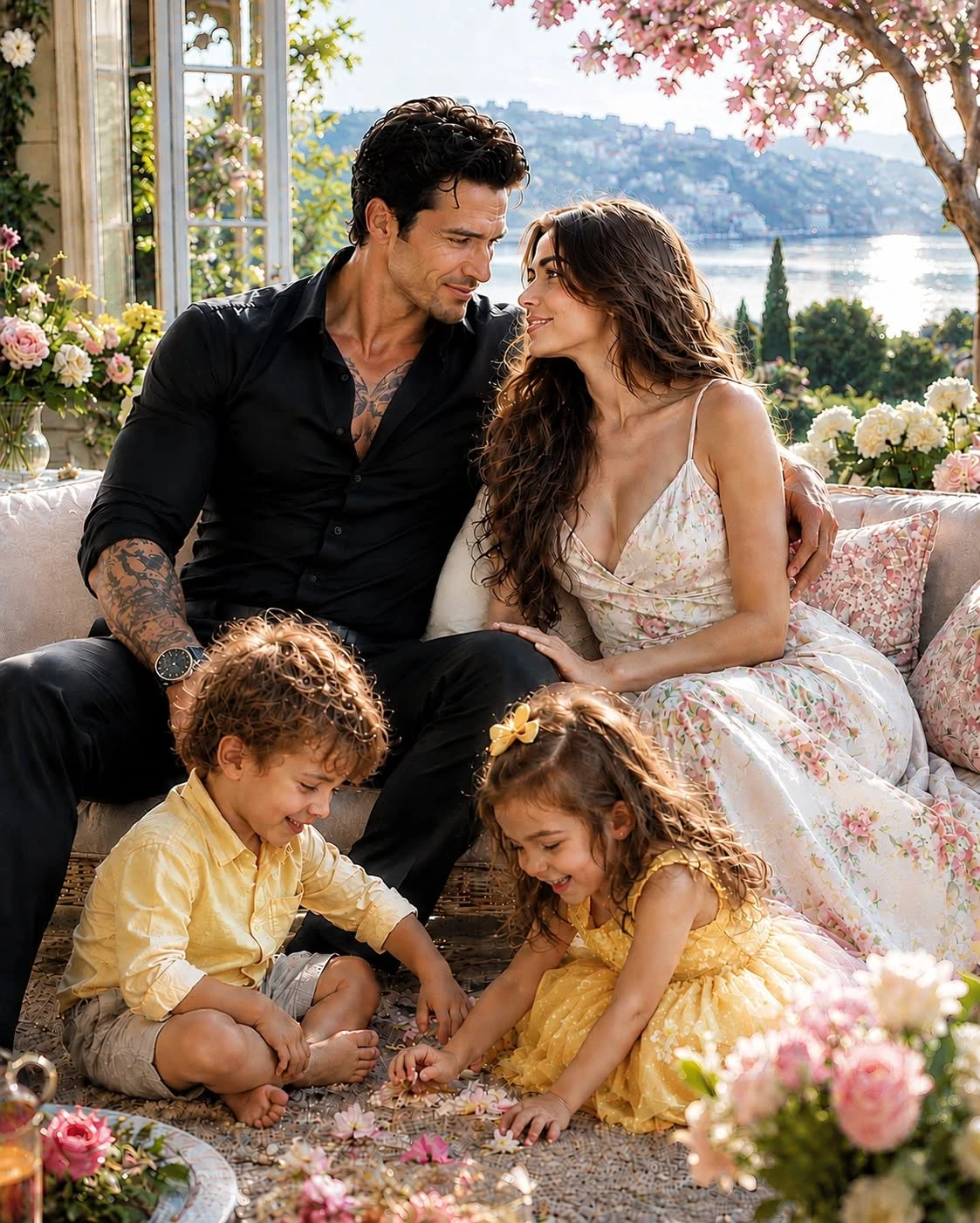
We began dating again.
Slowly.
Coffee.
Dinner.
Walks while the twins stayed with Mrs. Watkins or Hannah’s sister.
No dramatic declarations.
No expensive gifts.
The first relationship had been built partly around certainty. We thought marriage meant the hard questions were already answered.
The second was built around asking them.
One Saturday, Hannah brought a small box to my house.
Inside was her original wedding ring.
She had kept it all this time.
My heart dropped because I assumed she was returning it permanently.
Instead, she told me she did not want to wear it again.
Too much pain lived inside it.
I understood.
Then she added, “If there’s ever another ring, it needs to belong to a different marriage.”
I stared at her.
She laughed nervously because my expression must have been ridiculous.
I did not propose.
That mattered.
The old Caleb would have treated the sentence like permission.
Instead, I asked if she wanted dinner.
Hannah raised an eyebrow.
“That’s your romantic response?”
“I’m learning patience.”
She said yes.
It was only dinner.
But it was the first time in years that yes belonged completely to hope instead of history.
Other posts