Chapter 6 - THE WOMAN WHO STOPPED DISAPPEARING

Table of Contents 6
01Chapter 1 - THE BADGE THAT COULDN’T PROTECT HIM ANYMORE
02Chapter 2 - THE LEDGER MY FATHER DIED PROTECTING
03Chapter 3 - THE MAN SILAS BECAME BECAUSE HIS FATHER TAUGHT HIM LOVE WAS CONTROL
04Chapter 4 - LORENZO DIDN’T NEED A RESCUE BUILT FROM REVENGE
05Chapter 5 - THE MAN WHO FINALLY ASKED BEFORE STEPPING CLOSER
06Chapter 6 - THE WOMAN WHO STOPPED DISAPPEARING
Ten years after the Sapphire Winter Gala, I returned to the same ballroom.
Not as a server.
As a speaker.
The annual gala had changed organizations after the corruption scandal exposed several original sponsors. That year, it raised money for domestic violence housing and legal services.
The irony was almost too perfect.
I nearly declined.
Then Renee said, “Places don’t get to own your fear forever.”
She was annoying.
Often right.
The chandeliers looked the same.
The marble floor too.
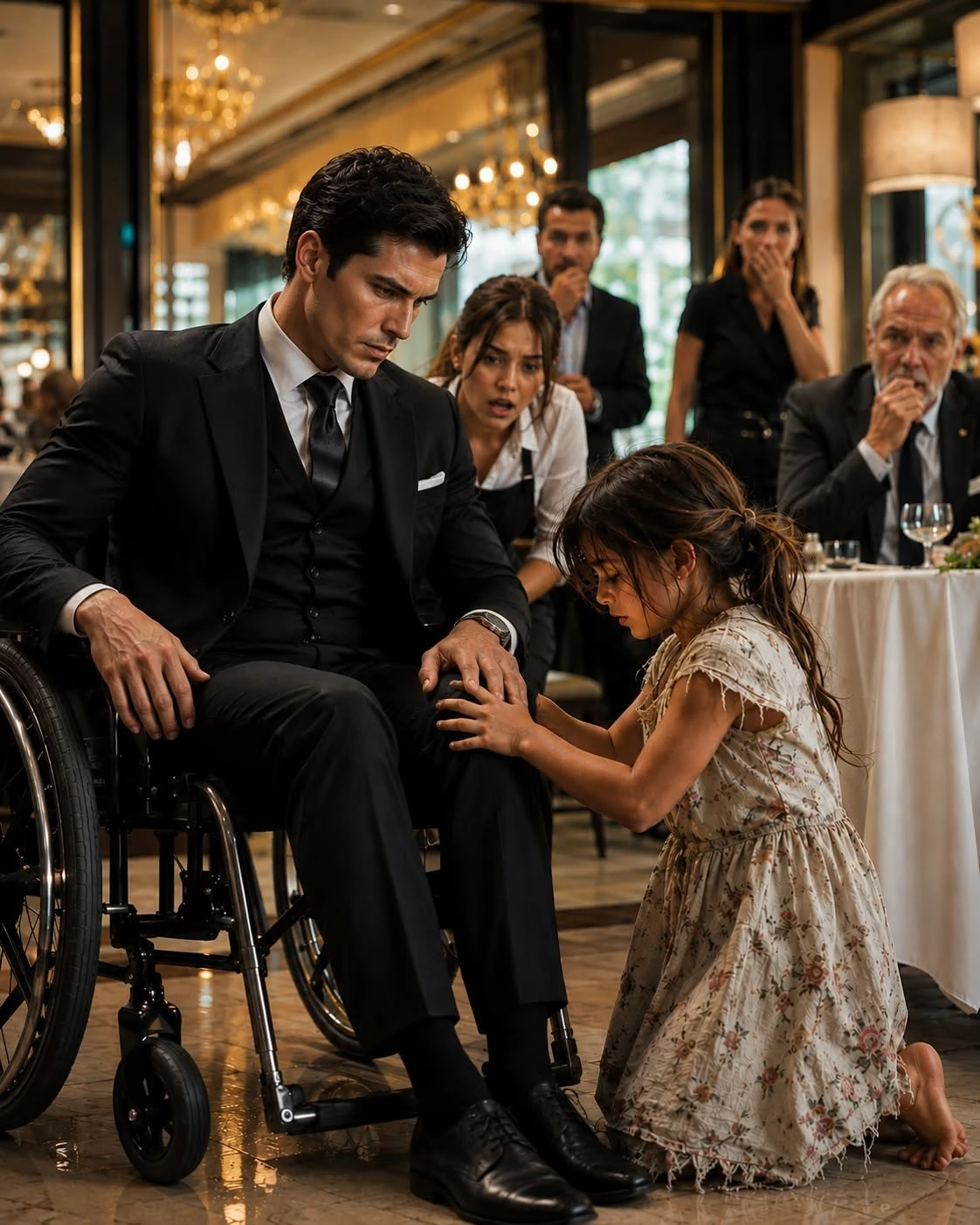
I stood near the spot where my champagne tray shattered.
For a moment, my body remembered before my mind did.
Ribs tightening.
Breath shortening.
Eyes searching exits.
Trauma is efficient.
Then someone touched my elbow.
I flinched.
Lorenzo immediately stepped back.
“Sorry.”
Even ten years later.
No offense.
No “you should know it’s me.”
Just space.
“I’m okay.”
“You sure?”
“Yes.”
He nodded.
He was fifty-two now.
Gray at his temples.
Still capable of making certain men leave rooms quickly.
But our daughter, Lucia, had discovered he was powerless against glitter stickers.
His phone case proved it.
We had one child.
Unexpected.
Wanted.
Terrifying.
Pregnancy reopened everything for me.
My body remembered danger in ways I did not expect.
Lorenzo did not turn that fear into surveillance.
He asked what I needed.
Sometimes the answer was company.
Sometimes distance.
Sometimes nothing.
Lucia grew up believing her father cooked Sunday breakfast badly on purpose.
Maybe he did.
She knew parts of his past as she became old enough to understand them.
We did not build a family mythology where Dad had always been good and Mom had been rescued.
No.
Lorenzo had participated in violent systems.
He changed because he chose to.
I had survived abuse.
I was not weak before Lorenzo arrived.
Silas had harmed me.
That did not make every moment we shared fake.
Human stories could hold contradictions.
Lucia deserved truth without being burdened by adult detail too early.
That night at the gala, she was nine.
She sat beside Renee wearing a blue dress and looking bored.
“Mom talks too much,” she whispered loudly.
Renee laughed.
I heard.
So did half the table.
Good.
I walked onto the stage.
People applauded.
I hated applause.
Still did.
I looked toward the ballroom.
Ten years earlier, I had thought power lived in the people seated at those tables.
Mayors.
Judges.
Police commissioners.
Wealthy donors.
Men like Lorenzo.
I had been wrong.
Power could live there.
But power also lived in a waitress saying no while terrified.
A nurse documenting bruises.
A shelter advocate asking instead of instructing.
A federal investigator preserving evidence.
A woman walking away from an apology she did not owe forgiveness.
I began.
“Ten years ago, I collapsed in this room.”
Silence.
“I had a broken rib. I had not eaten properly in almost two days. I had a bus ticket hidden in a motel Bible because I believed leaving my fiancé required disappearing from my own life.”
People listened.
I did not tell the dramatic version.
No mafia legend.
No romantic rescue.
I told the useful version.
Silas had a badge.
People believed him.
I had bruises.
People asked why I stayed.
Wrong question.
The better question was what made leaving dangerous.
Money.
Housing.
Police access.
Isolation.
Fear.
Shame.
Those were solvable problems when people stopped treating abuse like a personality flaw.
Then I told them about the moment everything changed.
Not Lorenzo’s threat.
Not Silas’s arrest.
The question.
Do you want to go with him?
I looked toward Lorenzo.
He remembered.
“That was the first time that night someone handed the decision back to me.”
My throat tightened.
“I said no.”
That was the beginning.
After the speech, Lucia ran toward me.
“Can we go now?”
“Thank you for your support.”
“I’m hungry.”
Lorenzo appeared.
“Finally, someone with priorities.”
We left before dessert.
On the drive home, Lucia asked, “Was Detective Vane a bad man?”
Hard question.
Lorenzo looked at me.
My answer.
“He did bad things.”
“To you?”
“Yes.”
“Did he go to jail?”
“Yes.”
“Did he say sorry?”
“Yes.”
“Did you forgive him?”
I thought.
“No.”
Lucia frowned.
“Are you supposed to?”
“No.”
That mattered.
“You can forgive someone if it helps you. You also don’t have to.”
She accepted that.
Then:
“Did Dad save you?”
Lorenzo looked toward the window.
Smart man.
“No.”
I answered.
“He helped me.”
“What’s the difference?”
“I was already trying to leave.”
The motel.
The ticket.
The hidden cash.
I had been moving before Lorenzo entered aisle—no, the ballroom—before he ever saw my bruises.
“He gave me help at a moment I needed it.”
Lucia looked at him.
“Like when you can’t open a jar?”
Lorenzo sighed.
“Exactly like that.”
I laughed.
Maybe family truth should sometimes be simple.
Years later, Silas wrote me from prison before his release hearing.
One letter.
He had served fourteen years across his combined sentences.
The letter contained no request for reunion.
No explanation.
He wrote:
I spent years believing loving you meant being terrified you could leave. I understand now that if someone cannot leave, staying means nothing.
I read that sentence twice.
True.
Late.
Still true.
I did not respond.
His growth belonged to him.
My life did not need to become its reward.
Silas eventually left prison and moved out of Illinois under supervision.
I heard he worked construction.
Never contacted me again.
Good.
Arthur died in prison.
Michael too.
Their era disappeared gradually.
Lorenzo retired from daily business in his sixties.
He spent more time irritating Lucia’s future boyfriends than I considered healthy.
I reminded him no investigations.
He complained.
I reminded him again.
He obeyed.
Mostly.
At seventy, Lorenzo had heart surgery.
For the first time, I became the person terrified of losing him.
I hated it.
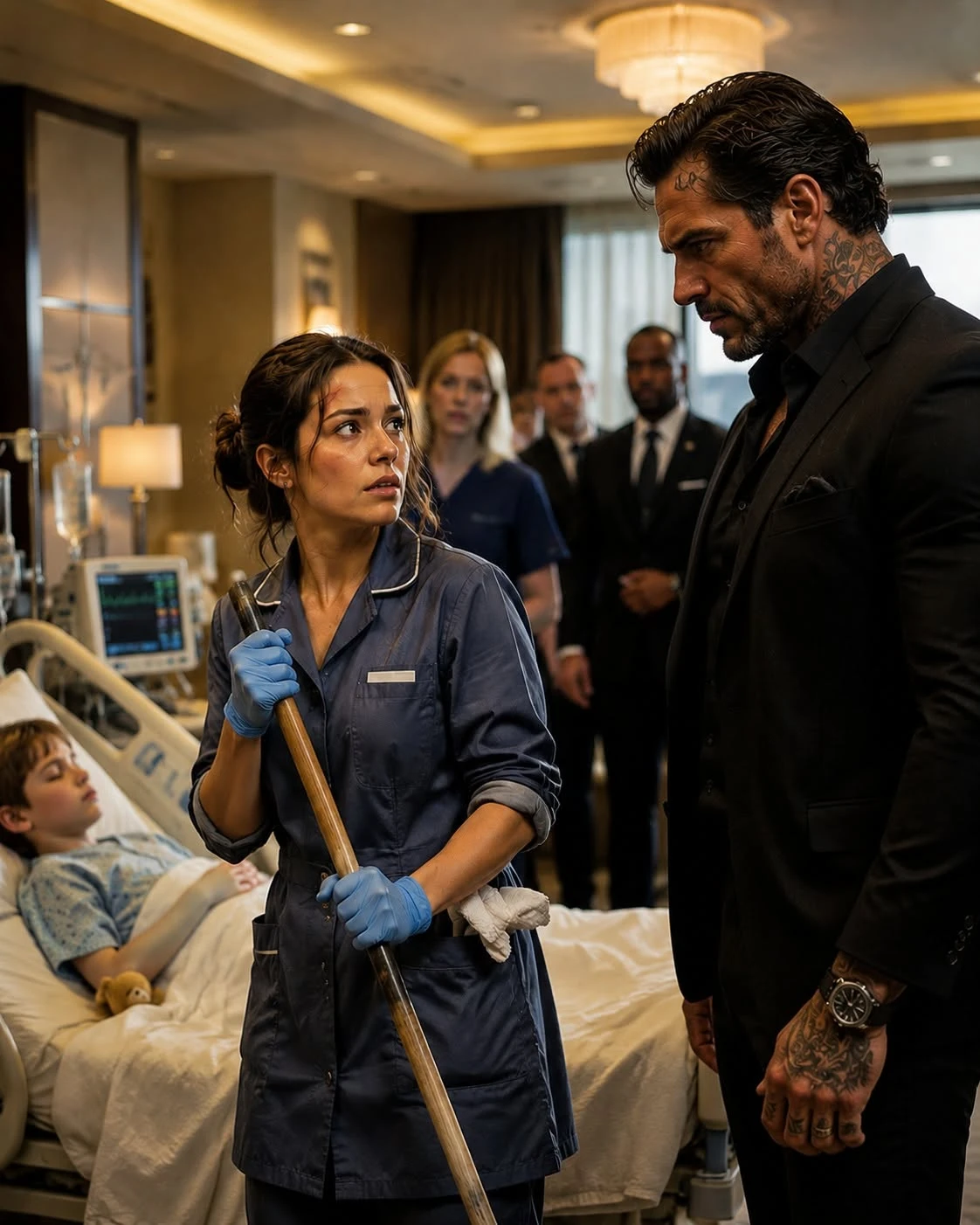
Hospital waiting room.
Machines.
Hours.
Old fear.
When he woke, he looked at me.
“You look terrible.”
“Thank you.”
“Were you scared?”
“Yes.”
He squeezed my hand.
“Sorry.”
“Don’t apologize for having arteries.”
“Fair.”
He recovered.
We grew old.
Ordinarily.
That became the happy ending.
Not money.
Not the destruction of corrupt officials.
Not marrying the mafia boss.
Ordinary years.
Arguments.
Taxes.
Lucia graduating college.
Sunday dinners.
Lorenzo forgetting where he put his glasses while wearing them.
Me still checking every room for exits occasionally.
Healing does not require becoming someone who was never hurt.
It means hurt stops deciding everything.
When Lorenzo died at seventy-nine, it was peaceful.
Home.
No violence.
No conspiracy.
Lucia and I beside him.
His last coherent sentence was annoying.
“Did you lock the back door?”
I laughed through tears.
“Yes.”
“Good.”
Then he slept.
I missed him terribly.
Still do.
But grief with him was different from fear with Silas.
One was the cost of being loved freely.
The other had been the cost of being controlled.
I knew the difference now.
Years after Lorenzo died, I visited the Sapphire ballroom once more.
Lucia’s daughter was graduating from law school nearby.
We walked past the hotel.
My granddaughter asked why I stopped.
“History.”
“What happened?”
“I dropped some champagne.”
Lucia stared at me.
“That is technically true.”
We laughed.
I looked through the glass doors.
I could still see twenty-four-year-old Clara in the reflection.
Cheap concealer.
Empty stomach.
Broken rib.
Trying to disappear.
For years, I wanted to go back and rescue her.
Now I understand something.
She was already rescuing herself.
She hid money.
Bought the ticket.
Found the shelter number.
Took another shift.
Kept moving toward a door even when fear made every step tiny.
Then someone asked a question.
She answered honestly.
No.
I don’t want to go with him.
That sentence changed my life more than anything Lorenzo Moretti ever threatened.
The most powerful man in the room did not save me by claiming me from Silas.
He helped because eventually he understood the truth Silas never could.
I did not belong to either of them.
I belonged to myself.
And once I finally understood that, I stopped practicing how to disappear.
I learned how to stay visible.
THE END
Other posts