Chapter 5 - WHAT HAPPENED AFTER THE BILLIONAIRE LOST HIS EMPIRE
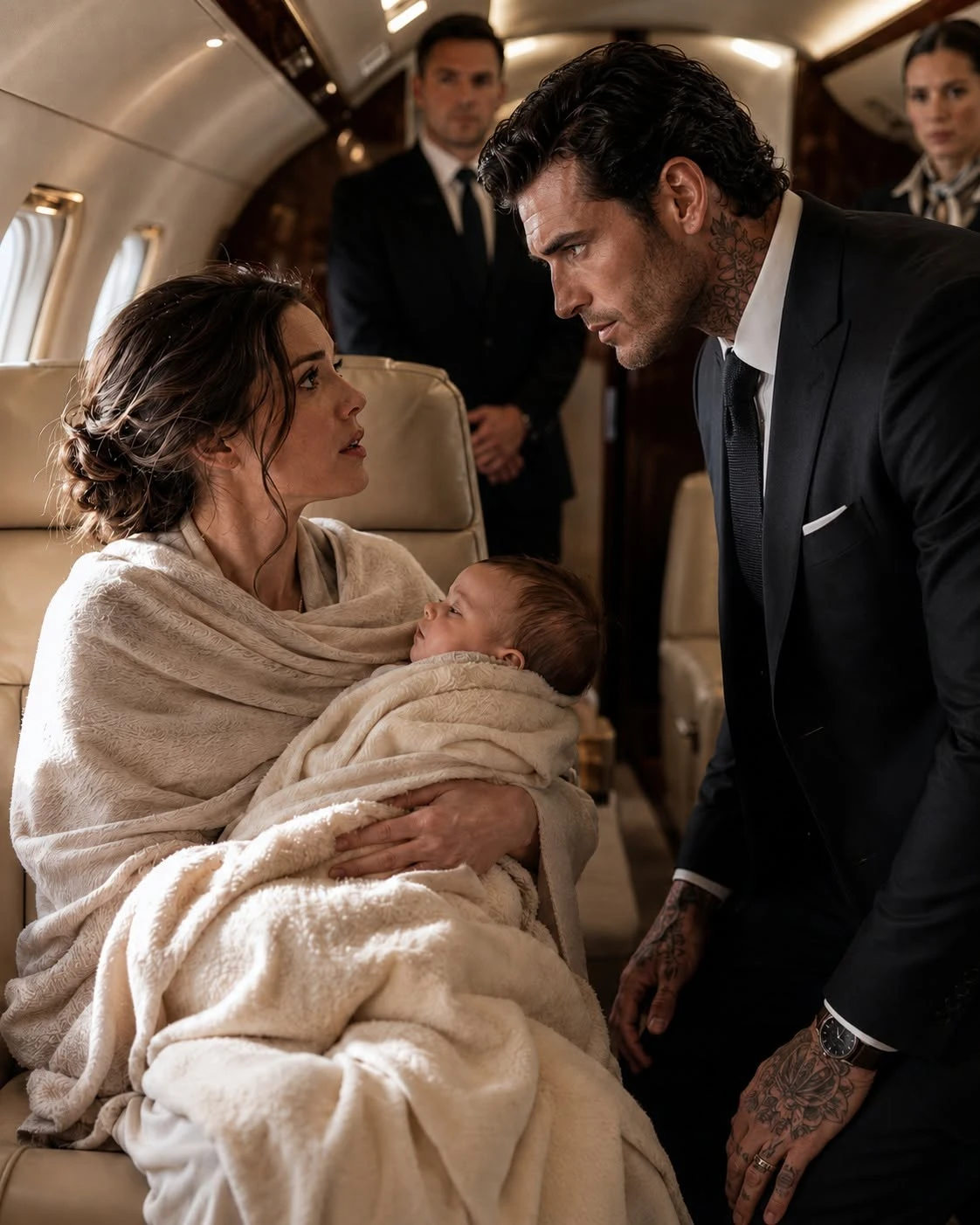
Table of Contents 6
Leo did not lose everything.
Headlines said he did.
BILLIONAIRE MERCER EMPIRE COLLAPSES.
Not exactly.
He remained wealthy beyond reason.
But parts of Mercer Global were dismantled.
Hospitals compensated.
Stolen supply contracts audited.
Patients and institutions repaid where possible.
Independent oversight took control of healthcare divisions.
Leo sold several companies.
Amelia insisted some money go directly toward families harmed by shortages.
He agreed.
Their marriage did not resume immediately.
They lived separately for almost two years.
That confused the public.
Good.
Real recovery should confuse people who expect dramatic reunions.
Leo went to therapy.
Amelia did too.
Together and apart.
They learned the same painful lesson Mark’s recording taught me.
Protection without consent can become another form of control.
Leo had spent his life solving problems before anyone could question his methods.
Amelia had disappeared partly because Julian convinced her Leo would never let her make her own choices if he knew the truth.
The lie worked because it contained a piece of reality.
Leo was controlling.
Not abusive.
Not cruel.
Controlling.
That had to change.
It did.
Slowly.
I watched from a distance.
By then, I had returned to nursing.
Not pediatrics at first.
Postpartum grief support.
Then eventually neonatal care again.
The first day I held a newborn patient after returning, my hands shook.
I almost walked out.
Then the baby sneezed directly into my face.
I laughed.
That saved the moment.
Grief remained.
It stopped controlling every room.
Leo and I stayed in contact.
Not romantically.
That would have been an easy story.
Billionaire father falls for grieving nurse who saves baby.
Life was better than that.
He became my friend.
A complicated one.
We had shared something intense at 35,000 feet, but intensity is not always love.
Sometimes it is simply two terrified people meeting during an emergency.
Amelia became closer to me.
We served together on the maternal grief foundation.
Emma grew.
Liam grew.
I became Aunt Nora.
That title hurt at first.
Then healed.
Emma had no memory of the flight.
Of course not.
But Leo told the story badly every birthday.
According to him, she “rejected every inferior nutritional option until Nora arrived.”
Amelia corrected him.
“She was hungry, Leo.”
“She had standards.”
“You’re impossible.”
Their marriage eventually restarted.
Not resumed.
Restarted.
They held a small second ceremony on their tenth wedding anniversary.
Same people.
Different promises.
Amelia told me the first ceremony had included “obey” language from an old family tradition.
The second absolutely did not.
I laughed.
Leo pretended not to hear.
My own life changed unexpectedly too.
Two years after the flight, I met Dr. Samuel Reed.
He worked in pediatric palliative care.
I disliked him initially because he was cheerful before coffee.
Unacceptable.
He asked me to dinner.
I said no.
He asked six months later.
I said yes.
Why?
Because he waited six months.
No pressure.
No dramatic pursuit.
Just friendship.
Samuel knew about Mark.
About Oliver.
About Lily.
I told him slowly.
Not because he demanded.
Because eventually I wanted him to know.
The first time he visited my apartment, he saw their photographs on the mantel.
He did not look uncomfortable.
He asked, “Can you tell me about them?”
That question mattered.
Most people avoided dead children because they feared making grieving parents sad.
As if we had forgotten.
I told him.
Oliver hated carrots.
Lily loved purple.
Oliver slept with four stuffed dinosaurs.
Lily once bit a Santa Claus at the mall.
Samuel laughed.
Then cried with me.
We married three years later.
I kept Vance professionally.
Mark had been part of my life.
Samuel understood.
We did not have children.
Not because I couldn’t.
Because we decided our family did not need to repeat one specific shape.
We became foster parents instead.
Older children.
The ones people overlooked because babies were easier to imagine adopting.
The first teenager who lived with us, Ava, stayed eighteen months.
Then returned safely to her aunt.
I cried when she left.
Good grief.
Not every goodbye means loss.
Sometimes it means something worked.
Years passed.
The foundation grew.
Hospitals across several states created lactation and postpartum support programs for mothers after infant loss.
No one called them “Nora Mercer Centers.”
I threatened Leo when he suggested naming rights.
He claimed he was joking.
Amelia confirmed he wasn’t.
At Julian’s sentencing, I attended.
Not because I needed to see him punished.
Because Oliver and Lily deserved names in the record.
The prosecutor read victim statements.
When my turn came, I stood.
Julian looked older.
Smaller.
Human.
That made his choices worse, not better.
I said:
“My children were not collateral damage in a business conflict. Their names were Oliver Vance and Lily Vance. Oliver was six. Lily was three. They liked pancakes shaped badly and cartoons too loud. You did not lose assets that night. You took people.”
My voice shook.
I kept going.
“You also took my husband, Mark. He made mistakes. He kept secrets. But he was trying to expose what you were doing.”
Julian looked down.
I did not care.
“I am not asking the court to punish you because I need revenge. I am asking the record to remember exactly who your decisions harmed.”
Then I sat.
That was enough.
He received multiple life sentences.
No closure.
I stopped believing in closure.
Grief is not a door.
It changes.
That is different.
Afterward, Leo found me outside the courthouse.
“You okay?”
“No.”
He nodded.
Good answer.
Then he asked, “Want company?”
“Yes.”
We sat on a bench.
No billionaire solutions.
No promises.
Just company.
That was the most useful thing he ever gave me.
Other posts