Chapter 7 - THE QUESTION THAT SAVED MORE THAN MY LEGS
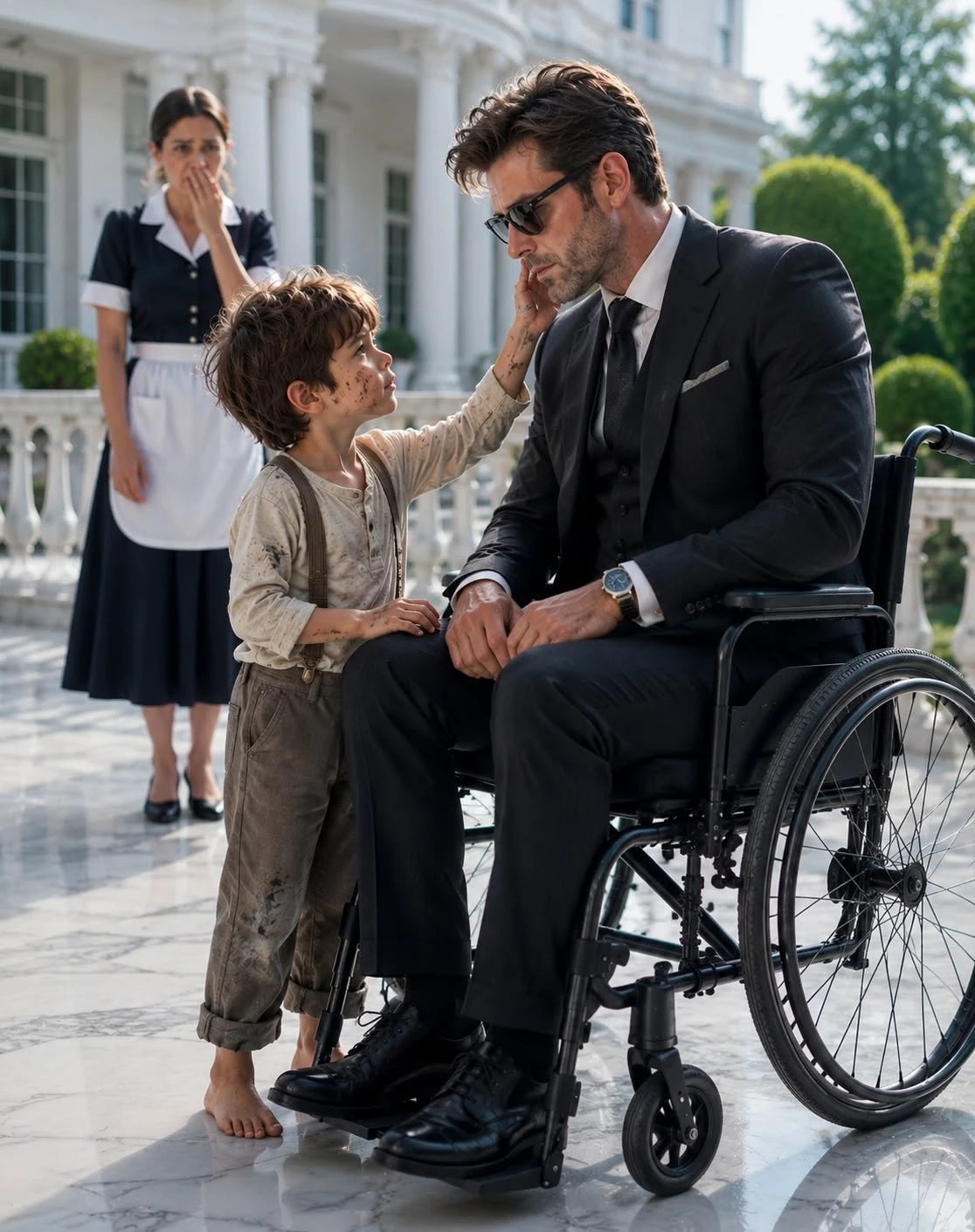
Table of Contents 7
01Chapter 1 - THE NAME SAMMY SHOULD NOT HAVE KNOWN
02Chapter 2 - THE SAFE DEPOSIT BOX
03Chapter 3 - THE MAN IN THE MACHINE SHOP
04Chapter 4 - VICTOR CAME FOR DANIEL HIMSELF
05Chapter 5 - SAMMY’S PRAYER DID NOT MAKE ME WALK
06Chapter 6 - WHAT DANIEL REALLY WANTED ME TO REMEMBER
07Chapter 7 - THE QUESTION THAT SAVED MORE THAN MY LEGS
Fifteen years after Sammy walked across my garden and asked why I was crying, he stood on a stage at Northwestern University wearing a graduation gown.
He was twenty-one.
Rebecca cried before his name was called.
Daniel cried after pretending he had dust in his eye.
I cried openly.
By then, hiding it felt ridiculous.
Sammy studied psychology and biomedical engineering because apparently choosing one difficult subject wasn’t enough.
He told everyone his goal was to work on rehabilitation technology.
I accused Rebecca of influencing him.
She blamed me.
Daniel took credit despite contributing nothing.
Family.
Messy.
Ordinary.
Perfect.
My own life looked different too.
I was sixty-one.
I still used a wheelchair most days.
I could walk inside the house with crutches when my body cooperated, but age and nerve damage had made the chair increasingly practical.
At forty-eight, that would have devastated me.
At sixty-one, it was transportation.
Nothing more.
Caldwell Industries survived.
Barely at first.
Then differently.
We sold defense-related divisions connected to Victor’s network, returned intellectual property where possible, created permanent outside oversight, and gave employee representatives seats on the board.
The company became less profitable for several years.
The world did not end.
Eventually, it grew again.
Not into the empire my father imagined.
Into something I could live with.
Daniel never joined the company.
He claimed one Caldwell in the building was already excessive.
Rebecca became director of rehabilitation nursing at a Chicago medical center.
She and Daniel married quietly when Sammy was ten.
I attended as best man.
Daniel claimed the position should have gone to someone who had attended his first wedding.
There had been no first wedding.
His memory remained selectively terrible when jokes were available.
After graduation, Sammy asked us to visit the old mansion.
I had sold it years earlier to a foundation that converted the property into a rehabilitation and vocational center for people recovering from catastrophic injuries.
That decision began as an experiment.
Eventually, it became one of the things I was proudest of.
The garden remained almost unchanged.
Same fountain.
Same stone path.
Same place where I once sat crying alone because doctors told me I might never walk again.
Sammy walked across the grass toward the exact spot.
“You were over here.”
“You remember?”
“Not really. Mom told the story eight thousand times.”
Rebecca objected from behind us.
“Maybe six thousand.”
Daniel laughed.
I positioned my chair near the fountain.
Sammy sat on the bench.
“You offered me your mansion.”
“I was emotionally unstable.”
“You offered me millions.”
“I was desperate.”
“You offered to pay for every school I ever wanted.”
“You did go to an expensive university.”
“You paid part after my scholarship.”
“Exactly. I eventually won.”
He shook his head.
Then became serious.
“Do you know why I didn’t want anything?”
“You were six.”
“That too.”
He looked toward the rehabilitation center.
“But Mom always told me money wasn’t what made Daniel important to her.”
I glanced toward my brother.
He and Rebecca were walking slowly behind us.
“What did?”
“He listened.”
That word again.
Daniel listened to Rebecca when she warned him Victor’s men were near the hospital.
Rebecca listened when Daniel said my father was dangerous.
Sammy listened when every adult around me had decided my sadness was too uncomfortable to acknowledge.
And eventually, I listened too.
Not immediately.
It took losing my legs, almost losing my company, discovering my brother was alive, and learning that my father’s legacy contained crimes I never wanted to inherit.
Apparently some men require extensive education.
A group of patients crossed the garden with therapists.
One young man used a wheelchair nearly identical to mine.
He glanced toward us.
Then looked away quickly after recognizing me.
Fame remained awkward.
Sammy noticed.
“Go talk to him.”
“Why?”
“Because he keeps looking at you.”
“I’m old. People stare.”
“Ethan.”
That tone sounded exactly like Rebecca.
I rolled over.
The young man introduced himself as Marcus.
Twenty-six.
Motorcycle accident.
Spinal injury.
Four months into rehabilitation.
He looked exhausted.
Not physically.
I knew that expression.
“Do you walk?” he asked.
“Sometimes.”
His face brightened.
Then I added, “But probably not the way you’re asking.”
He looked disappointed.
I understood.
“At your stage, I needed every person in a wheelchair to become proof I would eventually leave mine.”
He stared at me.
“Didn’t you?”
“No.”
That answer seemed to frighten him.
Then I smiled.
“I also built another life.”
He looked confused.
So I told him the part nobody had told me.
Rehabilitation mattered.
Hope mattered.
Medicine mattered.
But his future was not a courtroom where his legs would eventually deliver a verdict on whether his life was worth living.
Maybe he would walk more.
Maybe he wouldn’t.
He could still grieve that.
He should.
But grief and surrender were different things.
Marcus looked toward my chair.
“How long did it take you to believe that?”
I glanced back at Sammy.
“Longer than it should have.”
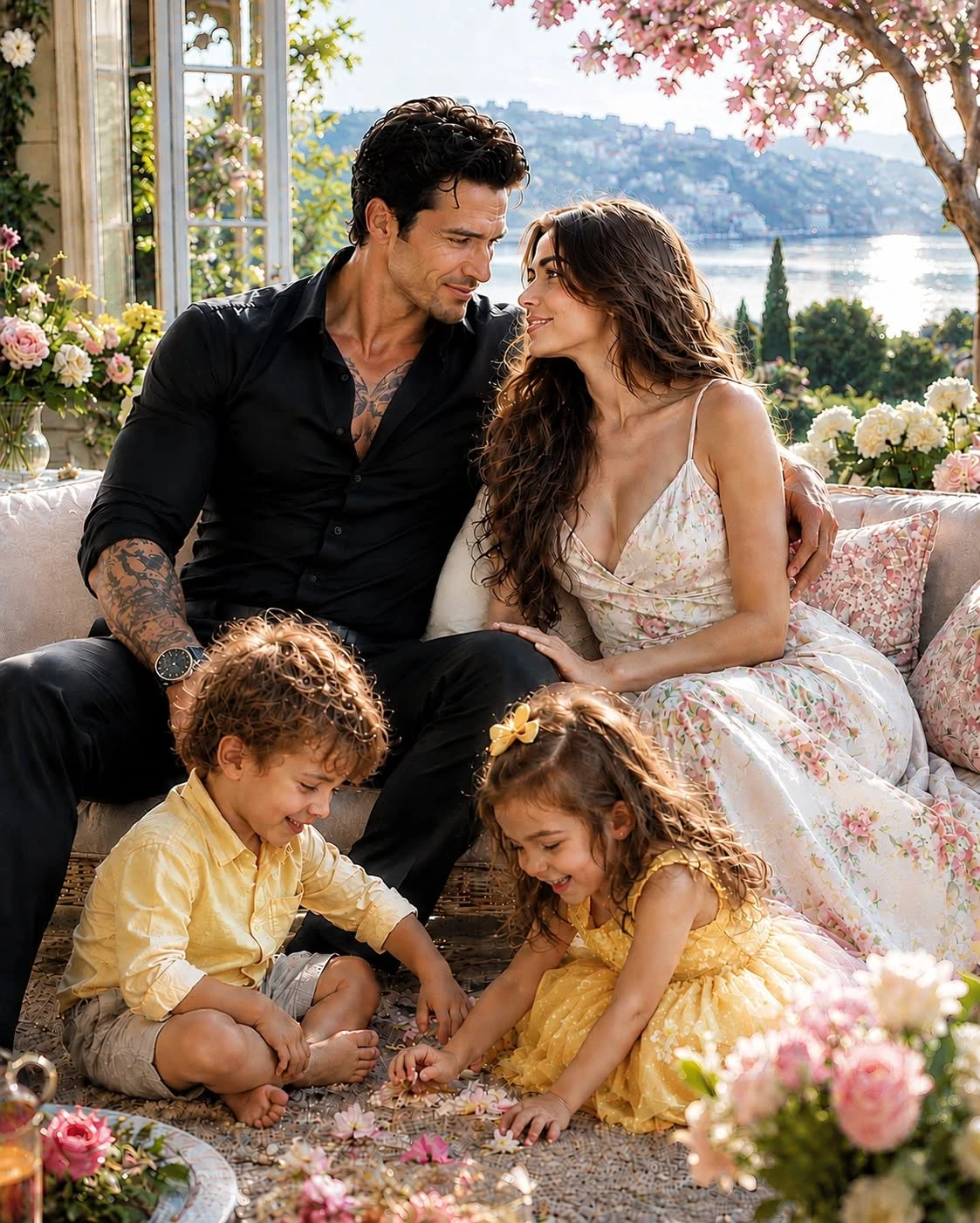
That evening, all four of us stayed in the garden after the center closed.
Rebecca brought coffee.
Daniel complained about the cold.
Sammy showed us plans for a new rehabilitation sensor his research group was developing.
I understood maybe twenty percent of it.
That felt fair.
The sun began dropping behind the trees.
I looked toward the place where my wheelchair had sat fifteen years earlier.
Back then, I believed I was crying because I couldn’t walk.
I know better now.
I was grieving my legs.
Of course I was.
But I was also grieving Daniel without admitting it.
My father.
The man I had become.
A life built around control that suddenly no longer obeyed me.
The wheelchair simply made every old wound impossible to outrun.
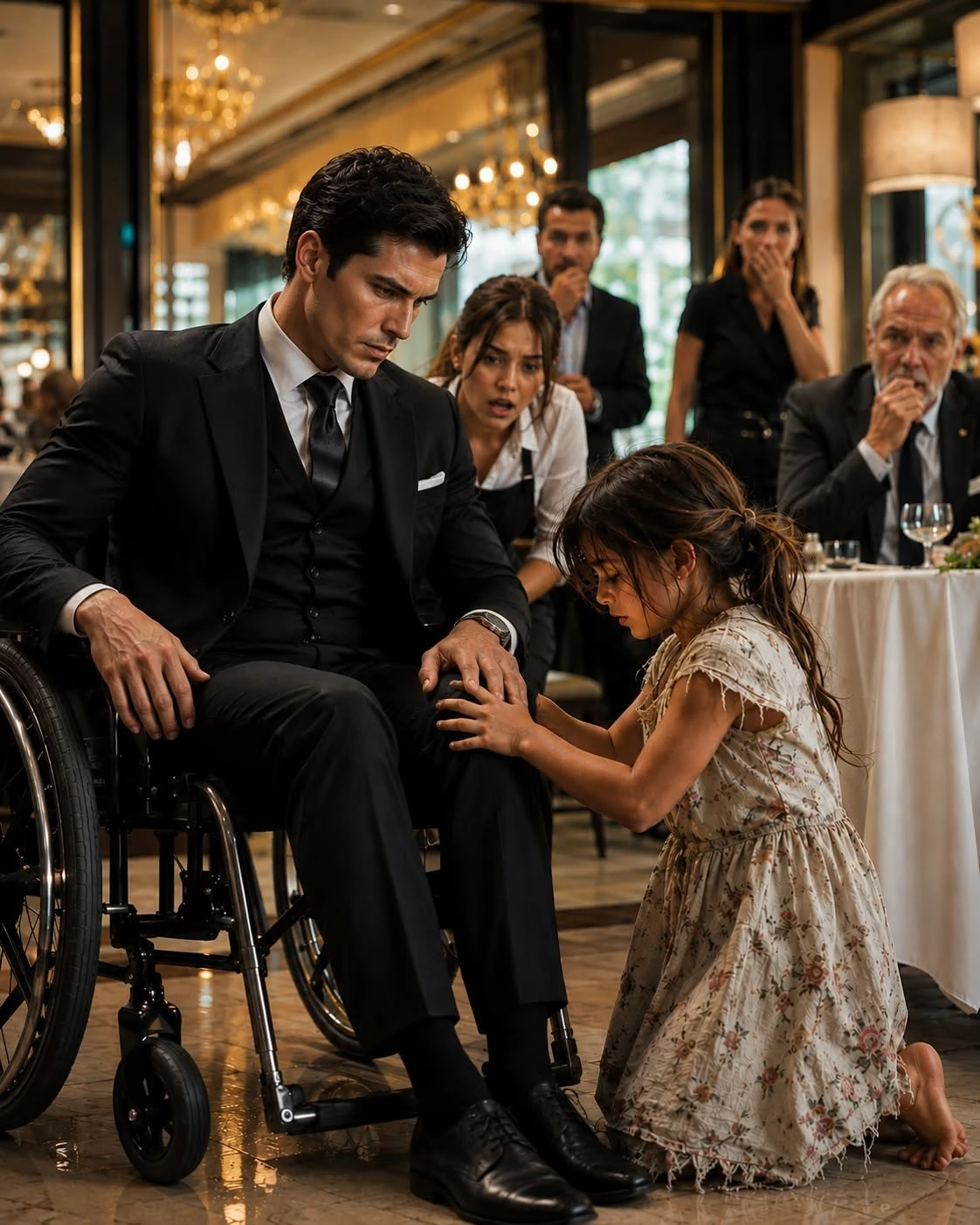
Then a six-year-old boy put one hand on my knee and asked why I was crying.
He did not heal my spine.
He did something more realistic.
He made it impossible to keep pretending I wasn’t hurting.
That opened the door.
Everything else came through afterward.
Rebecca’s truth.
Daniel’s survival.
Victor’s betrayal.
The investigation.
Therapy.
Rehabilitation.
Forgiveness.
Work.
Family.
A different definition of success.
Sammy sat beside me on the grass.
“You okay?”
I smiled.
“Yeah.”
“You’re doing the quiet thing.”
“I’m reflecting.”
“You’re old.”
“That too.”
Daniel called from the porch.
“Dinner.”
Rebecca immediately corrected him.
“We’re ordering dinner. Nobody cooked.”
Daniel waved dismissively.
“Details.”
Sammy stood.
Then he looked at me.
“You coming?”
Fifteen years earlier, that question would have hurt.
Coming meant needing someone to push.
Needing ramps.
Needing help.
Now it sounded exactly like what it was.
An invitation.
I put my hands on the rims.
“Race you.”
Sammy stared at me.
“You have wheels.”
“Life is unfair.”
I pushed hard.
He ran.
Rebecca shouted that both of us were idiots.
Daniel cheered.
I won.
Obviously.
At dinner, nobody talked about billionaires.
Nobody talked about miracles.
Nobody asked whether I wished my old body back.
We argued over pizza toppings.
Daniel claimed pineapple was acceptable.
Rebecca threatened divorce.
Sammy took both sides for entertainment.
I sat there listening.
Years ago, I would have traded my fortune for a guarantee that I could walk again.
Now, if someone offered me the old life in exchange for losing everything that came after, I would refuse.
Not because paralysis was secretly a gift.
It wasn’t.
I would never romanticize pain that nearly destroyed me.
I would refuse because suffering did not become good simply because something good grew afterward.
The accident took things from me.
So did Victor.
So did my father’s lies.
But they did not take everything.
That difference became my life.
Before we left, Sammy rolled my chair toward the car.
He still asked first.
Always.
“Want help?”
I looked at him.
The six-year-old boy was gone.
The question remained.
I nodded.
“Yeah.”
He pushed.
And that was the final lesson I spent half my life learning.
Accepting help was never the same thing as losing power.
Sometimes it was how you found your way back to yourself.
Other posts